RWANDA NATIONAL PARKS: GUIDE TO NATIONAL PARKS IN RWANDA
What are the national parks of Rwanda? If this is the question on your mind, then let us give you detailed answers to what the Rwanda national parks are that you can explore during East Africa safaris!
In the heart of Central Africa, Rwanda, known as the land of a thousand hills, boasts four national parks that showcase its rich biodiversity and stunning landscapes.
Managed by the Rwanda Development Board, these East Africa safari parks—Volcanoes, Akagera, Nyungwe Forest, and Gishwati Mukura—offer unique ecosystems, from misty jungles to the savannah ecosystem, attracting global tourists for safaris, bush walks, and cultural experiences.
Bordering Uganda, the Democratic Republic of Congo, and near Lake Victoria, Rwanda’s parks are home to endangered mountain gorillas, lions, chimpanzees, and rare birds, making them a must-visit in East Africa.
Below is a detailed breakdown of the national parks in Rwanda!
Volcanoes National Park: Mountain Gorilla Haven in the Virungas

Nestled in Rwanda’s northwest, Volcanoes National Park, one of the safari parks in Rwanda, spans 160 square kilometers across the Virungas, bordering Uganda and the Democratic Republic of Congo.
Established in 1925 to protect mountain gorillas, it’s Rwanda’s most visited park, renowned for its volcanic landscapes and primate encounters in Africa.
Safari Highlights of Volcanoes National Park
- Mountain Gorillas: Home to 10 habituated gorilla families, a conservation triumph.
- Golden Monkeys: Playful simians in bamboo forests.
- Virunga Mountains: Five peaks, including Mount Karisimbi (4,507m).
- Birdlife: 178 types, including Albertine Rift endemics like the Rwenzori turaco.
- Other Primates: Includes silver monkeys, L’Hoest’s monkeys, and vervet monkeys that leap across the different corners of the park.
- Musanze Caves: Ancient lava tubes for exploration.
- Other Wildlife Species: Spotted hyenas, the forest elephant, and buffalo roam the slopes of this country park.
Safari Activities Done in Volcanoes NP
- Gorilla Trekking: Guided 1-7 hour treks to observe gorillas for one hour.
- Golden Monkey Tracking: Hour-long primate encounters.
- Volcano Hikes: Climb Bisoke’s crater lake or Karisimbi’s summit.
- Nature Walks: Explore birds and flora on guided trails.
- Cultural Tours: Visit local communities, including former animal poachers’ villages.
World Class Accommodations in Rwanda Volcanoes National Park
- Luxury: Bisate Lodge, eco-friendly with volcano views.
- Mid-Range: Sabyinyo Silverback Lodge near tea estates.
- Budget: Kinigi Guest House near park headquarters.
Costs Incurred in This Park
| Activity/Service | Cost (USD, Foreign Non-Resident) |
| Park Entry | $40 per person/day |
| Gorilla Permit | $1,500 per person |
| Golden Monkey Tracking | $100 per person |
| Volcano Hikes | $75-$400 (depending on peak) |
| Guide/Porter | $15-$20 each |
How To Get to Rwanda Volcanoes National Park?
Drive 2-3 hours from Kigali to Musanze, then a short transfer to Kinigi headquarters. Public buses or private shuttles from Kigali or Uganda’s border are available to Volcanoes National Park.
Rwanda Volcanoes National Park Best Time to Go
Though open year-round, the most optimum times to go to Volcanoes National Park are during the dry seasons (June-September, December-February) offer clear trails. Rainy seasons (March-May, October-November) provide lush scenery ideal for photography and fewer crowds.
Akagera National Park: Rwanda’s Savannah Gem
Located in eastern Rwanda, Akagera National Park, covering 1,122 square kilometers, is the country’s largest park and one of the top-rated National Parks in Rwanda, bordering Tanzania and near Lake Victoria.
Established in 1934 and managed by the Akagera Management Company with African Parks, it is Rwanda’s only savannah park of all the national parks in Rwanda, hosting all the Big Five animals and vibrant water bodies.
Key Safari Highlights of Akagera National Park
- All Big Five Animals: Lions (about seven lions were reintroduced in 2015 in the country in Akagera), rhinos, elephant, leopards, and buffalo.
- Savannah Plains: Zebras, giraffes, and antelopes like impala thrive.
- Lakes: Lake Ihema hosts hippos, crocodiles, and sitatunga antelopes.
- Birds: Over 500 species, including shoebills and papyrus gonoleks.
- Fauna: Spotted hyenas, golden and serval cats roam.
Amazing Things to Do in Akagera National Park
- Game Drives: Dawn/dusk safaris for lions and hyenas.
. Birding: Famous activity with more than 500 bird species recorded in Akagera NP
- Boat Safaris: Cruise lakes for hippos and water birds.
- Night Drives: Spot Nocturnals like servals.
- Guided Walks: Explore tracks and see smaller animals.
- Fishing Tours: Catch-and-release in designated waterscapes like Shakani.
Akagera National Park Safari Lodges and Hotels
- Luxury: Magashi Camp with lake views.
- Mid-Range: Ruzizi Tented Lodge near wetlands.
- Budget: Akagera Game Lodge or Muyumbu campsite.
- Camping: Wilderness Safari sites.
Costs Incurred in This Park
| Activity/Service | Cost (USD, Foreign Non-Resident) |
| Park Entry | $50 per person/day |
| Game Drive | $40-$80 per vehicle |
| Boat Safari | $30 per person |
| Night Drive | $60 per person |
| Guided Walk | $20-$50 per person |
How To Get to Akagera National Park?
Drive 2.5 hours east from Kigali to the Akagera National Park’s main gate. Matatu minibuses or flights to Kayonza Airstrip are the other transport options. Combine with Lake Victoria tours for an extended adventure.
Akagera National Park Best Time to Explore
Dry seasons (June-September, December-February) enhance wildlife sightings. Rainy seasons add lush greenery to the savannah.
Nyungwe Forest National Park: Primate Paradise of Rwanda
In the southwestern part of the country, near L. Kivu and bordering the Democratic Republic of Congo and the Burundian border, Nyungwe NP, another of the must-see and traverse national parks in Rwanda, spans ~270 square kilometers of ancient montane rainforest- known to be the largest and oldest montane forest in Africa.
Established in 2005, it’s a biodiversity hotspot, supplying 70% of Rwanda’s water and home to over 200 species of trees and over 13 species of primates, including chimpanzees and golden monkeys.
Star Highlights of Nyungwe Forest National Park
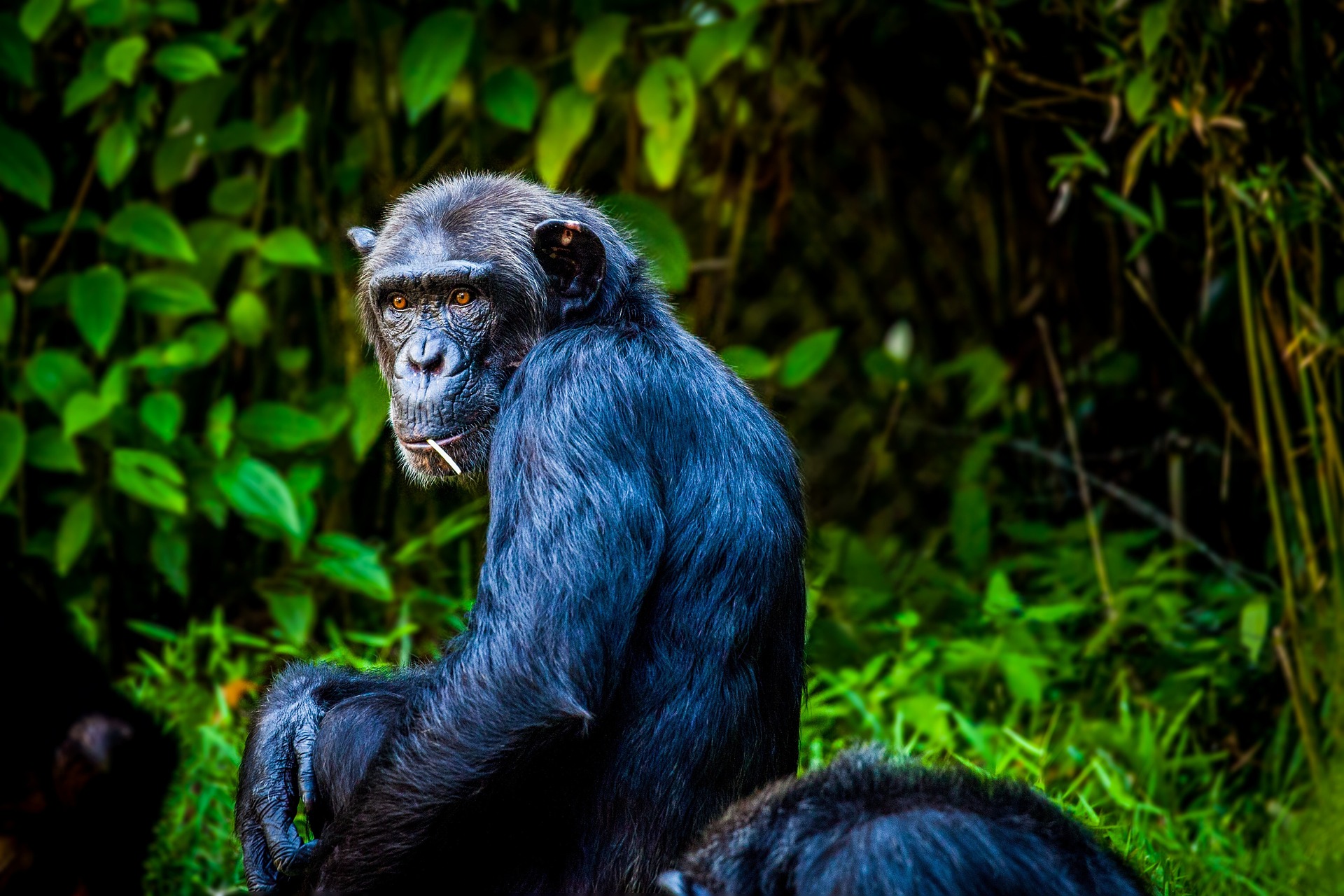
- Chimpanzees: Habituated groups in dense forests.
- Primates: Blue simians, silver monkeys, L’Hoest’s monkeys, Hamlyn’s monkeys, and Angola colobus.
- Birds: Over 310 species, including Albertine Rift endemics making it a great destination for bird watchers.
- Forests: 200 tree species, orchids, and waterfalls in Africa’s oldest rainforest.
- Fauna: Golden cats, leopards, and forest elephants.
Fun Things to Do in Nyungwe National Park
- Chimpanzee Tracking: Guided hour-long treks.
- Canopy Walk: 70-meter bridge for treetop views.
- Nature Walks: 20+ km of trails for birding and simians.
- Congo Nile Trail: Multi-day hiking/biking to L. Kivu.
- Cultural Visits: Connect with local communities.
Nyungwe Forest National Park Safari Lodges and Hotels
- Luxury: One&Only Nyungwe House with forest views.
- Mid-Range: Nyungwe Forest Lodge, eco-chalets.
- Budget: Gisakura Guest House or Uwinka Center for backpackers.
- Camping: Trailside sites for immersive stays.
Costs Incurred in This Park
| Activity/Service | Cost (USD, Foreign Non-Resident) |
| Park Entry | $40 per person/day |
| Chimp Permit | $100 per person |
| Canopy Walk | $15 per person |
| Guided Walk | $30-$60 per person |
| Trail Biking | $50 per person |
How To Get to Nyungwe National Park?
Drive 4-5 hours southwest from Kigali to Gisakura gate of Nyungwe Forest National Park. Buses stop nearby, or combine with L. Kivu for various aquatic sports, tranquil beach environment, and scenic routes through Rwanda’s hills.
Nyungwe National Park Best Time to Visit
The best time to go to Nyungwe NP in East Africa is during the dry seasons (June-October, December-February) offer easier trails. Rainy seasons enhance the forest’s misty charm.
Gishwati Mukura National Park: Rwanda’s Newest Wilderness
Gazetted in 2015, Gishwati NP spans 62 square kilometers in northwest part of the country, linking the Virungas to Lake Kivu. This restored forest park connects with Burundi’s Kibira NP, offering a fresh safari experience with chimpanzee trekking and bird watching as its main activities.
Key Highlights of Gishwati
- Eastern Chimps: Habituated groups in regenerating jungles.
- Primate types: Golden monkeys, blue monkeys, and colobus.
- Avians: Over 130 types, including forest hornbills.
- Mukura Forests: Grasslands and Lake Kivu viewpoints.
- Wildlife: Mongooses, genets, and duikers.
Things to do in Gishwati
- Chimpanzee Trekking: Guided primate treks.
- Monkey Tracking: Follow golden and blue monkeys.
- Birdwatching: Spot rare forest avifauna.
- Community Walks: Learn from locals, including former poachers.
- Bush Walks: Explore forests and grasslands.
Gishwati Safari Lodges
- Mid-Range: Gishwati Tented Camp.
- Budget: Park campsites or Rubavu lodges.
- Luxury: Day trips from Volcanoes’ upscale lodges.
- Nearby: Lake Kivu hotels.
Costs Incurred in This Park
| Activity/Service | Cost (USD, Foreign Non-Resident) |
| Park Entry | $40 per person/day |
| Chimp Tracking | $100 per person |
| Guided Walk | $20-$50 per person |
| Community Tour | $20 per person |
How To Get to Gishwati?
Drive 2 hours west from Kigali to Rubavu, then off-road to the park entrances of Gishwati. Access via Lake Kivu adds scenic routes.
Gishwati Best Time to Visit
Dry season (June-September) offers clear trails; rainy months bring lush greenery and fewer crowds of visitors, so choose wisely the best time to visit Gishwati.
Guidelines for Visiting Rwanda’s National Parks
The Rwanda Development Board, a government body, enforces rules to protect safari parks and ensure safety:
- Maintain 7 meters from wild primates to avoid disease transmission.
- Limit trekking groups to 8; the gorilla trekking age limit is 15.
- No flash photography, eating, or spitting near animals.
- Stay on trails, remove litter, and avoid single-use plastics.
- Armed rangers accompany activities; report poaching.
- Book Rwanda gorilla permits early via the Rwanda Development Board.
- Respect locals by asking permission for photos and supporting crafts.
Safari Packing List for Exploring National Parks in Rwanda
Prepare for Rwanda’s diverse climates:
- Clothing: Neutral long-sleeved shirts/pants, waterproof jacket, hiking boots, hat, sunglasses, gloves, warm layers.
- Gear: Waterproof Daypack, binoculars, camera, reusable water bottle, headlamp, malaria net.
- Health/Safety: Sunscreen, DEET repellent, altitude meds, first-aid kit, vaccination proof.
- Essentials: Cash for tips ($10-20/day), power bank, snacks.
- Eco-Tips: Biodegradable soap, no smoking.
- Activity-Specific: Trekking poles for Volcanoes NP, swimsuits for Akagera NP.
. Seek help on what is most recommended to carry from tour agents like
- Prime Safaris and Tours Ltd
- Wild Gorilla Safaris
- Gorilla Safari Rwanda
- Gorilla Tracking Rwanda
- Africa Safaris Tours
- Gorilla Safaris and Tours
These items can also be used if you intend to extend your safaris to Uganda, Kenya, DR Congo, Burundi, Tanzania, Botswana, Namibia, South Africa, etc.
Threats to Rwanda’s National Parks
Challenges persist despite conservation efforts:
- Poaching: Targets gorillas and rhinos, mitigated by patrols.
- Habitat Loss: Agriculture shrinks jungles, affecting chimpanzees and avians.
- Climate Change: Erratic rains impact Akagera’s savannahs and Nyungwe’s wetlands.
- Human-Wildlife Conflict: Elephants and lions raid crops near borders.
- Historical Damage: The 1990s genocide reduced fauna populations.
- Tourism Pressure: Overcrowding and Lake Kivu’s methane gas projects pose risks.
Ongoing Conservation Efforts in Rwanda’s National Parks
Rwanda’s government, via the Rwanda Development Board, prioritizes conservation, which is a national priority since the genocide in 1994:
- Reintroductions: Lions and rhinos were restored in Akagera with AP and the government.
- Anti-Poaching: Drones and former poachers patrol parks. The return of former animal poachers to conservation efforts has helped reduce illegal hunting in Rwanda.
- Community Programs: Gishwati shares 10% tourism revenue, planting trees.
- Water Protection: Nyungwe preserves 70% of Rwanda’s water supply.
- Cross-Border Efforts: Virunga collaborations protect gorillas. These conservation efforts have led to the growth of the mountain gorilla population in the country despite past declines over the years.
- Eco-Tourism: The government of Rwanda has partnered with Wilderness Safari and NGOs to support sustainable lodges and conservation of animals like gorillas, golden monkeys as well as restore the Gishwati jungle area and protect chimpanzee populations.
Rwandan National Parks Frequently Asked Questions
- How Many National Parks Are in Rwanda?
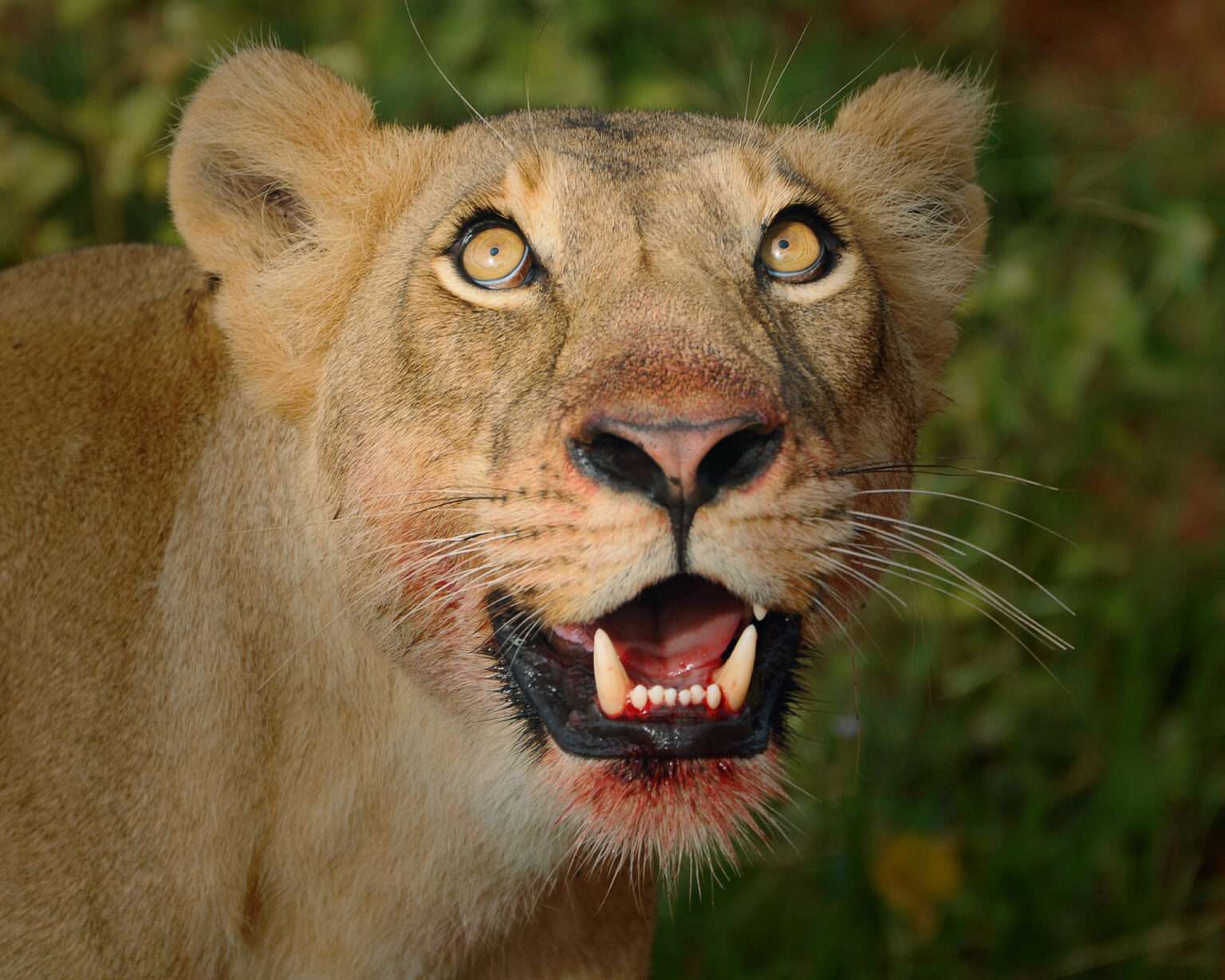
The country boasts four wildlife reserves or national parks: Volcanoes NP, Akagera National Park, Nyungwe NP, and Gishwati Mukura National Park, offering diverse wildlife safaris.
- What Is the Most Visited National Park in Rwanda?
The Volcanoes National Park in this country attracts the most tourists, drawn by its endangered mountain gorillas (listed as endangered by the International Union for Conservation of Nature (IUCN)) and Virunga Mountains adventures.
- What Is the Largest National Park in Rwanda?
Akagera National Park, at 1,085 square kilometers, is Rwanda’s largest, with vast savannah plains and lakes teeming with lions and elephant.
- What Is the New National Park in Rwanda?
Gishwati, established in 2016, is the newest, restoring jungles for chimpanzees and connecting Rwanda’s wilderness to Lake Kivu.
- Which Game Park Is Found in Rwanda?
All four parks—Volcanoes, Akagera, Nyungwe, and Gishwati Mukura—are game parks, with Akagera being the prime savannah destination for the Big Five that most tourists love to see during Rwandan tours.
Conclusion
Rwanda’s four national parks offer a captivating blend of biodiversity and adventure. From Rwanda gorilla trekking in Volcanoes to Big Five safaris in Akagera, chimpanzee tracking in Nyungwe, and jungle exploration in Gishwati Mukura, these parks highlight Rwanda’s dedication to wildlife preservation and community engagement.
Whether hiking misty trails or cruising at waterscapes in this country, visitors experience a world-class safari in East Africa’s lush landscapes.
Visit Rwanda, the land of a thousand hills in Africa, today and see all the different national parks in Rwanda up close!
Want to visit Volcanoes Park?
Want to visit Volcanoes National Park, Rwanda's only mountain gorilla trekking park?
