BEST TANZANIA TOUR OPERATORS – TANZANIA SAFARI COMPANIES & TRAVEL AGENTS
Looking for the best Tanzania tour operators to help you plan a safari? This guide breaks down what safari companies do, the different types of travel agents you’ll find in Tanzania, and what to look for before you book.
Tanzania is home to some of Africa’s most famous safari landscapes—from the wide Serengeti plains to the slopes of Mount Kilimanjaro. With the right operator, you can combine wildlife viewing with culture, comfort, and logistics that simply work.
Good Tanzania tour operators handle the details—permits, vehicles, guides, park fees, and timing—so you can focus on the experience. Many also add thoughtful touches like community visits or beach time in Zanzibar.
Whether you want a budget-friendly camping safari, a luxury lodge stay, or a private itinerary built around your interests, there’s an option to match your style and budget.
What is a safari operator in Tanzania?

A safari operator in Tanzania is a travel company that plans and runs trips such as game drives, walking safaris, and trekking adventures. They arrange guides, transport, accommodation, park permits, and schedules—often tailoring the trip to your interests and pace.
Examples of top Tanzania safari operators
The “best” travel company depends on what you want (budget, comfort level, group size, and destinations), but the following operators are often mentioned by travellers:
- Prime Safaris and Tours Ltd
- Tanzania Safaris and Tours
- Wild Gorilla Safaris
- Africa Safaris Tours
- National Parks in Tanzania
Most operators can put together classic northern-circuit itineraries that include places like the Serengeti and the Ngorongoro Conservation Area, along with other parks depending on your time.
A solid operator will be clear about what’s included, run well-maintained vehicles, and provide guides who know the parks and wildlife behaviour—details that can make a big difference once you’re on the road.
Before choosing a company, read recent reviews from multiple sources. Traveller feedback can highlight how an operator communicates, how guides perform in the field, and whether the trip matches what was promised.
Types of travel companies in Tanzania
Tanzania’s tourism industry includes several kinds of travel businesses, each serving a slightly different role. Here are the most common types you’ll come across.
Tanzania inbound travel agents
Inbound agents focus on international visitors. They can arrange airport transfers (often via Arusha), help with travel documentation, and build complete itineraries for Tanzania safaris.
They work closely with lodges and tented camps inside the parks and can recommend the best routing for highlights like the Ngorongoro Crater. Depending on your budget, they’ll suggest either private safaris or shared group trips—often with a focus on responsible tourism.
Tanzanian outbound travel operators
Outbound operators mainly help Tanzanians plan trips outside the country, for example to Botswana, Zimbabwe, or Cape Town (South Africa).
They usually arrange flights, visas, and packaged deals, and can also add regional extensions—such as a Zanzibar beach stay—before or after international travel. Their role is to make overseas trips smoother and more affordable by handling the paperwork and coordination.
Tanzania domestic travel agents
Domestic agents encourage Tanzanians to explore their own country, often through budget-friendly trips to places like Mount Kilimanjaro, Lake Manyara, and day excursions around Arusha.
They typically use shared transport and simpler accommodation to keep costs down, making national parks and cultural sites more accessible. Over time, this supports domestic tourism and spreads travel income beyond the main gateways.
Tanzanian ground travel agents
Ground agents handle in-country logistics for overseas tour companies. They arrange vehicles, guides, accommodation, and day-to-day operations once travellers arrive.
In remote areas (for example, Selous), they keep things running smoothly behind the scenes—reliable transport, contingency support, and coordination with camps—usually without selling directly to end clients.
Tanzania receptive tour operators (RTOs)
RTOs provide backend support to other travel companies by booking lodges, transport, and activities on their behalf. They typically earn commissions and focus on execution rather than direct marketing. Many also add value through optional experiences—such as cultural visits—while keeping the overall itinerary efficient and well coordinated.
Holiday types offered by Tanzania safari operators
Tanzania safari companies offer a wide mix of trips, so it’s easy to choose something that fits your pace—whether you want an active adventure, a classic game-drive safari, or a slower trip with plenty of time to unwind.
- Adventure holidays: climb Kilimanjaro, hike in the highlands, or add activities like canoeing when it’s available.
- Wildlife expeditions: spend more time in big-name parks like the Serengeti, with strong chances of seeing the Big Five and, in the right season, the wildebeest migration.
- Private and luxury tours: private guiding, optional fly-in segments, and higher-end lodges or tented camps for extra comfort and privacy.
- Group tours: join a shared safari to keep costs down and meet other travellers along the way.
- Budget trips: go camping or stay in simple lodges, often with shared vehicles, to make the parks more affordable.
- Cultural tours: add time with Maasai communities or village visits alongside your safari days.
- Specialised excursions: birding or photography trips with more time in the right spots (and at the right time of day).
- Family-friendly safaris: shorter drives, suitable lodges, and a pace that works well for kids.
- Honeymoon vacations: a more romantic safari, usually followed by a few beach days in Zanzibar.
Most trips are flexible, too—you can adjust where you stay, how long you spend in each park, and what you do each day so the itinerary fits what matters most to you (wildlife, culture, photography, or pure beach time).
Iconic destinations for a Tanzania safari
Most itineraries combine a few standout spots so you get great wildlife and scenery without spending the whole trip in the car. These are some of the favourites.
Serengeti National Park (Great Migration)
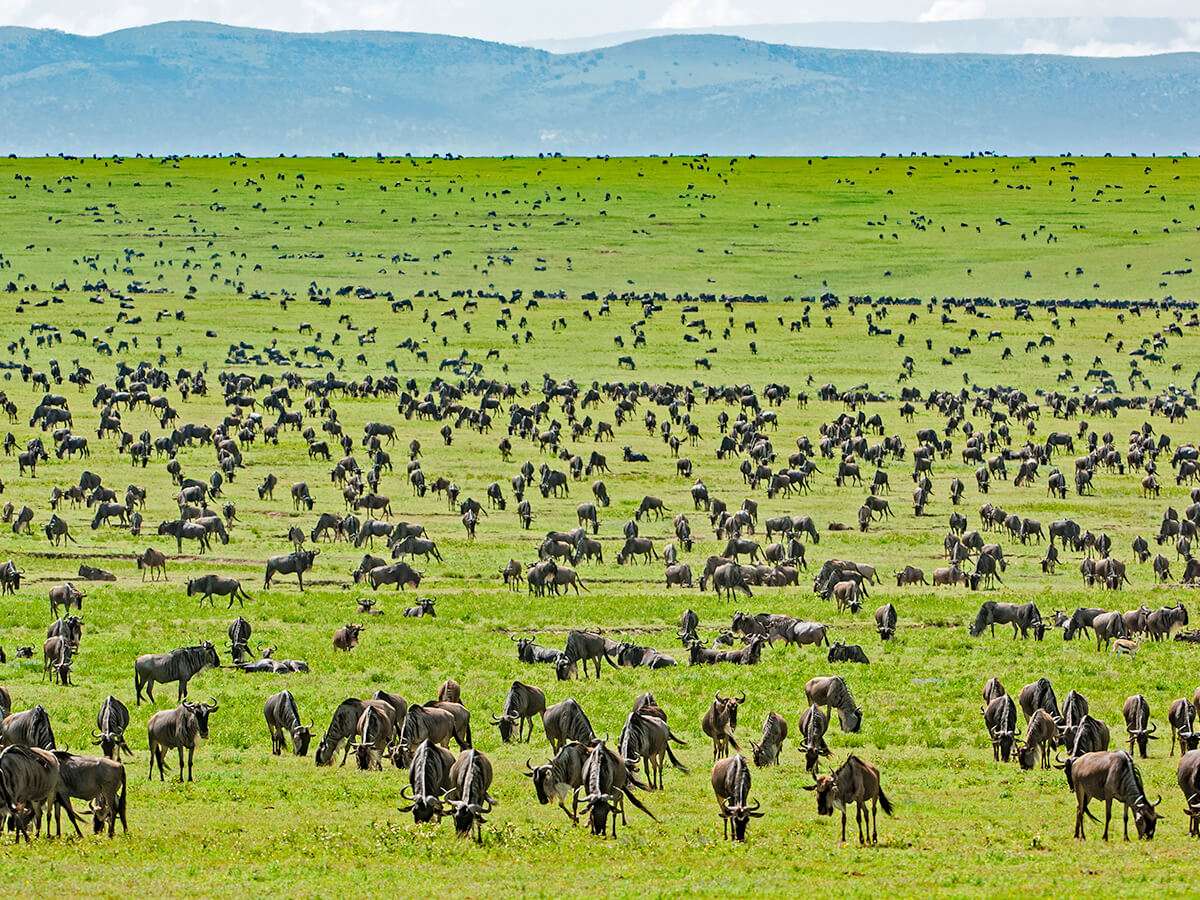
The Serengeti is all about wide-open plains and the annual wildebeest migration. An operator can build the trip around your budget and dates—classic game drives, an optional balloon flight, and camps that keep you close to where the action is.
Big cats are a major draw, and sightings can be excellent at different times of year. If you want drier weather and easier driving, June to October is a popular window for this UNESCO World Heritage site.
Ngorongoro Crater (wildlife-rich caldera)
The Ngorongoro Crater packs a lot into one place. Because wildlife is concentrated on the crater floor, you can often see lions, elephants, and—if you’re lucky—rhino in a single day. Most safaris start early, include a picnic lunch, and stay on the rim so you can enjoy the views.
Because the crater is relatively small, game viewing is often strong in most seasons. It also pairs really well with the Serengeti on the classic northern circuit.
Lake Manyara National Park (birds and tree-climbing lions)
Lake Manyara is smaller but really scenic, with great birdlife and a lush groundwater forest. You may also hear about its tree-climbing lions—not guaranteed, but possible. Some itineraries add a short walk, a bike ride, or the canopy walkway if conditions allow.
It’s an easy day trip from Arusha, or a nice shorter stop en route to the Serengeti—especially if you enjoy birds and varied landscapes.
Tarangire National Park (elephants and baobabs)
Tarangire is famous for big elephant herds, baobab-filled landscapes, and excellent dry-season viewing along the river. June to October is a favourite time to visit, and some operators can add guided walks alongside game drives.
It often feels less busy than the Serengeti, which photographers love. It also pairs nicely with Lake Manyara and Ngorongoro if you want variety without long travel days.
Mount Kilimanjaro (Africa’s highest peak)
At 5,895 m, Mount Kilimanjaro is Africa’s highest peak, and it’s a bucket-list trek for many visitors. Routes like Machame and Lemosho are popular choices. You don’t need technical climbing skills, but you do need decent fitness—and enough time to acclimatise properly.
Your operator provides guides, porters, meals, and safety support—and should help you pick a route and number of days that give you the best chance of summiting safely.
Qualities of a good Tanzania safari operator
The right operator can make the whole trip feel easy instead of stressful. Here are a few signs you’re dealing with a company that’s professional and well organised.
Skilled, knowledgeable guides and staff
A great guide does more than drive. They’ll spot animals you’d probably miss, explain what you’re seeing, and keep the day feeling safe and well paced. The stronger companies train their teams properly—whether it’s for game drives or Kilimanjaro trekking.
You’ll notice it in the little things: smoother days, clearer explanations, and (often) better sightings.
Registration, licences, and compliance
Make sure the company is properly licensed. Many reputable operators mention membership in the Tanzania Association of Tour Operators (TATO) and registration with the Tourism Board.
It’s not just bureaucracy—licensing often goes hand-in-hand with basics like insurance, proper handling of park fees, and vehicle standards. If anything is unclear, ask for business details and a written breakdown before you pay.
Online reviews and reputation
Reviews are most useful when people share details—how communication went, what the guide was like, and whether the vehicle and accommodation matched what was promised. Try to read a handful of recent reviews across a couple of platforms.
Look for the pattern: are people consistently happy with the planning, or do the same complaints keep popping up? That usually tells you more than any single score.
Communication and online presence
Communication matters. Whether you’re chatting by email, WhatsApp, or a website form, you should get clear answers about the itinerary, the price, and what happens if plans change.
If a company replies promptly and sends a detailed quote, it’s usually a good sign they’re organised—which is exactly what you want for a trip with multiple parks, flights, or special requests.
Customisable safari packages and itineraries
The best itineraries start with your priorities. A good operator will ask a few questions, then recommend the right parks, number of nights, and accommodation level to match your style.
You can also build in variety—pair the Serengeti with a quieter park, add a cultural stop, or finish with a few days by the ocean.
Up-to-date travel advice
A dependable operator should also help with the practical side—visas, health guidance (including malaria precautions), and when to travel for the places you want to see.
That’s a big help if it’s your first safari, or if you’re trying to fit several parks (and maybe Zanzibar) into one trip without losing too much time on the road.
Destination expertise
Operators who really know an area—like Tarangire or the different Kilimanjaro routes—can help you plan realistic driving times, choose the best entry points, and decide how many nights to spend in each place.
That local insight usually means fewer rushed days and better timing—so you get more out of the parks and any community visits along the way.
Add-ons and customer service
Extras like airport transfers, domestic flights, gear rental for Kilimanjaro, or a Zanzibar extension can save you time and hassle. It also helps to know you can reach someone quickly if plans shift.
Just make sure the pricing is transparent. You should know exactly what you’re paying for—park fees, accommodation level, meals, and activities—before you confirm anything.
Value for money
Safari prices can swing a lot depending on the season, group size, and where you stay. Rather than looking only for the cheapest quote, compare what’s included—park fees, flights (if any), guide quality, and the standard of camps or lodges.
Good value usually means clear costs and reliable service—no surprise add-ons, and no shortcuts on safety or comfort.
Sustainability and support for local communities
Responsible operators try to keep their impact low and make sure tourism supports local people—through fair jobs, community partnerships, and working with lodges that take sustainability seriously.
That might look like cutting down single-use plastics, supporting conservation work, or organising cultural visits in a way that’s respectful. Done well, it helps protect the places you’re travelling to—and makes the experience better for everyone.
Safety and emergency preparedness
Safety shouldn’t be an afterthought: well-maintained vehicles, trained drivers, first-aid kits, and a clear plan for things like breakdowns, medical issues, or altitude problems on Kilimanjaro.
It’s worth asking how they handle emergencies, how they communicate in remote areas, and what support you can expect if something unexpected happens.
Booking process and trip support
A smooth booking process usually means clear options (dates, duration, budget, and activity level). If you’re unsure, a good team will talk you through the choices—without pushing you toward the most expensive package.
Also ask about group size. Smaller groups feel more personal, while bigger groups can be cheaper—the best choice is the one that matches the kind of trip you want.
Responsibilities of a reputable travel company in Tanzania
A reputable company should guide you before you arrive, run the trip smoothly on the ground, and follow up afterwards.
Before travel
- Help you shape an itinerary around what you care about—migration viewing, photography, Kilimanjaro trekking, or culture.
- Share practical tips on visas, vaccinations, and what to pack.
- Send a clear quote showing what’s included (park fees, accommodation, meals, activities), and confirm bookings in writing.
- Share destination tips and a few basics on respectful, responsible travel.
- Confirm licences, insurance, and any other compliance requirements.
During travel
- Handle airport pickups and transfers between towns and parks.
- Coordinate daily schedules—game drives, trekking days, meals, and lodge check-ins.
- Provide experienced guides for wildlife viewing and cultural visits.
- Keep an eye on safety, weather, and any changes on the ground, with support when needed.
- Encourage respectful travel practices for parks, wildlife, and local communities.
After travel
- Ask for feedback so they can improve future trips.
- Help with receipts, documentation, or planning a future trip (for example, Kenya or Botswana).
- Share conservation or community initiatives you can support (optional).
- Provide trek completion certificates when relevant (for example, Kilimanjaro climbs).
- Answer any follow-up questions and assist with extensions if you decide to continue travelling.
Why use a Tanzania tour operator for your safari?
- They know how to route trips through the parks for the best use of time.
- They take care of logistics like permits, park fees, transport, and accommodation.
- You get access to trained guides and local knowledge that’s hard to replicate when planning on your own.
- You can choose a style that fits—budget camping, mid-range lodges, luxury, private, or family-focused.
- They should have safety procedures in place for remote areas and unexpected changes.
- Many operators also build in responsible practices that support conservation and communities.
- Bundled planning can sometimes be better value than booking every piece separately.
- They can add special experiences (where available), like walking safaris or balloon flights.
- If it’s your first time in Africa, a good operator can remove a lot of uncertainty.
- They can also help you add on Zanzibar or neighbouring countries if you want to extend your trip.
Why hiring a tour operator matters
Working with professionals can benefit travellers, local communities, and conservation—when it’s done responsibly.
Benefits for travellers
- More personal trips, with guides who know how to find wildlife and explain what you’re seeing.
- Less time planning and troubleshooting—your itinerary is organised for you.
- Better safety support in unfamiliar areas.
- Clearer costs, so you’re less likely to run into surprise fees.
- Cultural experiences that are easier to organise—and more respectful—when led by locals.
- Flexibility to focus on interests like birding, photography, or hiking.
Benefits for local communities
- Jobs for guides, drivers, and camp staff (when operators hire locally and pay fairly).
- Income for artisans and small businesses through ethical cultural visits.
- Support for community projects when part of the trip cost is directed locally.
- Opportunities to share culture on their own terms when visits are well managed.
- More spending in gateway towns (like Arusha) and surrounding areas.
Benefits for the country
- Tourism revenue (including taxes and park fees) can support public services and infrastructure.
- Job creation across transport, hospitality, and guiding.
- Stronger global visibility for Tanzania as a destination.
- Regulation and licensing that help maintain standards in the industry.
- Foreign currency earnings that contribute to the wider economy.
Benefits for conservation and the environment
- Funding and attention that can support protected areas and habitats.
- Eco-friendly practices that reduce waste and impact when trips are managed responsibly.
- More visitor awareness about conservation and sustainability.
- Support for ranger services and anti-poaching efforts in some areas.
- Protection of biodiversity in major ecosystems, including areas like Selous/Nyerere.
How to choose the best safari company in Tanzania
A little due diligence up front can save you money, stress, and disappointment later.
Tour reviews and ratings
Recent traveller reviews can give you a realistic picture of how a company operates—how they communicate, how guides perform, and how problems are handled if something changes.
Instead of focusing only on star ratings, read for patterns. Consistent praise for organisation and honesty is a good sign; repeated complaints about hidden costs or poor vehicles are a red flag.
Safari destination knowledge
Choose a company that knows the areas you care about—whether that’s timing the Serengeti migration, picking the right Kilimanjaro route (Machame, Marangu, Rongai, or Lemosho), or combining parks like Ngorongoro and Tarangire without rushing.
Payment methods and pricing
Ask what payment methods they accept (for example bank transfer, card payments via Pesapal, or PayPal) and make sure you receive an invoice/receipt. Prices vary a lot by season, group size, park choices, and the level of accommodation.
A trustworthy operator will explain costs clearly—what’s included, what isn’t, and what might change—so you can compare quotes properly.
Booking and cancellation policies
Read the booking terms carefully, including deposits, cancellation timelines, and what happens if you need to reschedule.
Clear policies protect both you and the operator, especially during peak travel periods when availability is tight.
Response time and communication
Pay attention to how they communicate. Prompt, clear replies—and a detailed quote that answers your questions—usually indicate a well-run company and better support if plans change.
Licences and business details
Ask about licensing and registration (for example TATO membership and TTB licensing where applicable). A clear business profile, physical address, and transparent terms all add confidence.
Packages and what’s included
Most safari packages should clearly list accommodation, meals, park fees, activities, and the type of vehicle. When comparing prices, focus on the overall value and the level of service—not just the total figure.
Guides and experience level
Ask about guide training and experience, and whether they speak the language you’re most comfortable with (many guides are fluent in English). Good guides make safaris safer, more educational, and far more enjoyable.
Location and on-the-ground support
Many operators are based in Arusha, which is convenient for northern parks like Tarangire, Lake Manyara, and Ngorongoro. What matters most is that they have reliable staff and support on the ground throughout your trip.
Compare a few quotes
It’s smart to request quotes from a few companies so you can compare itineraries, inclusions, and how they communicate—not just price.
Ownership and partnerships
Some travellers prefer locally owned operators because they’re closely connected to guides, lodges, and communities. Others book through international brands that partner with local teams. Either way, ask who is actually running the trip on the ground and how support is handled.
Health and safety
Ask about first-aid training, vehicle standards, and what insurance coverage applies. For Kilimanjaro, request honest guidance on fitness and acclimatisation days. For safari areas, discuss practical health advice such as malaria precautions.
Tanzania tour companies: commonly asked questions
1. What is the best company to use for an African safari?
It depends on your route, budget, and travel style. Companies like Prime Safaris and Tours Ltd and Wild Gorilla Safaris are often considered by travellers for multi-country itineraries. The best approach is to compare a few operators and choose the one that matches your priorities and communicates clearly.
2. Which is the best safari in Tanzania?
For many people, the Serengeti is the highlight—especially if you’re aiming to see the Great Migration. A classic route often pairs the Serengeti with the Ngorongoro Conservation Area for varied scenery and excellent game viewing.
3. What is the best month to visit Tanzania?
Many travellers prefer the dry season (often June to October) for easier wildlife viewing and road conditions. That said, the best timing depends on what you want to see—migration movements, calving season, fewer crowds, or better prices.
4. What is the best African tour company?
There isn’t one single “best” company for everyone. Some travellers look at Prime Safaris and Tours Ltd or other multi-country operators for Tanzania-focused trips with extensions to places like Zambia. The right choice comes down to itinerary fit, guide quality, clear pricing, and reliable support.
5. How many days in Tanzania is enough?
Many itineraries work well in about 8–12 days if you’re combining a few northern parks, and possibly adding Zanzibar. If you want a slower pace, more remote parks, or a Kilimanjaro trek, you’ll likely want extra time.
Conclusion
Choosing a good Tanzania tour operator comes down to clear communication, transparent pricing, strong guides, and an itinerary that matches your interests. Use the checklists above to compare a few companies, then book with the one that feels organised, honest, and easy to work with.