BIRDING IN VOLCANOES NATIONAL PARK
Birding in Volcanoes National Park offers an exciting adventure for birdwatchers seeking rare and colorful bird species in this safari park.
Rwanda’s Volcanoes National Park, home to over 200 bird species, including Albertine rift endemics, combines bird watching with sightings of mountain gorillas and golden monkeys for unforgettable Rwanda safaris.
It’s a perfect spot for travelers to observe birds in diverse habitats like bamboo forests and the Afro-tropical highlands biome, making it a top birding safari destination in East Africa.
Below is a detailed overview of what birding in Volcanoes National Park entails!
The Birding Experience in Volcanoes National Park | How Is Birding Done in Volcanoes National Park?
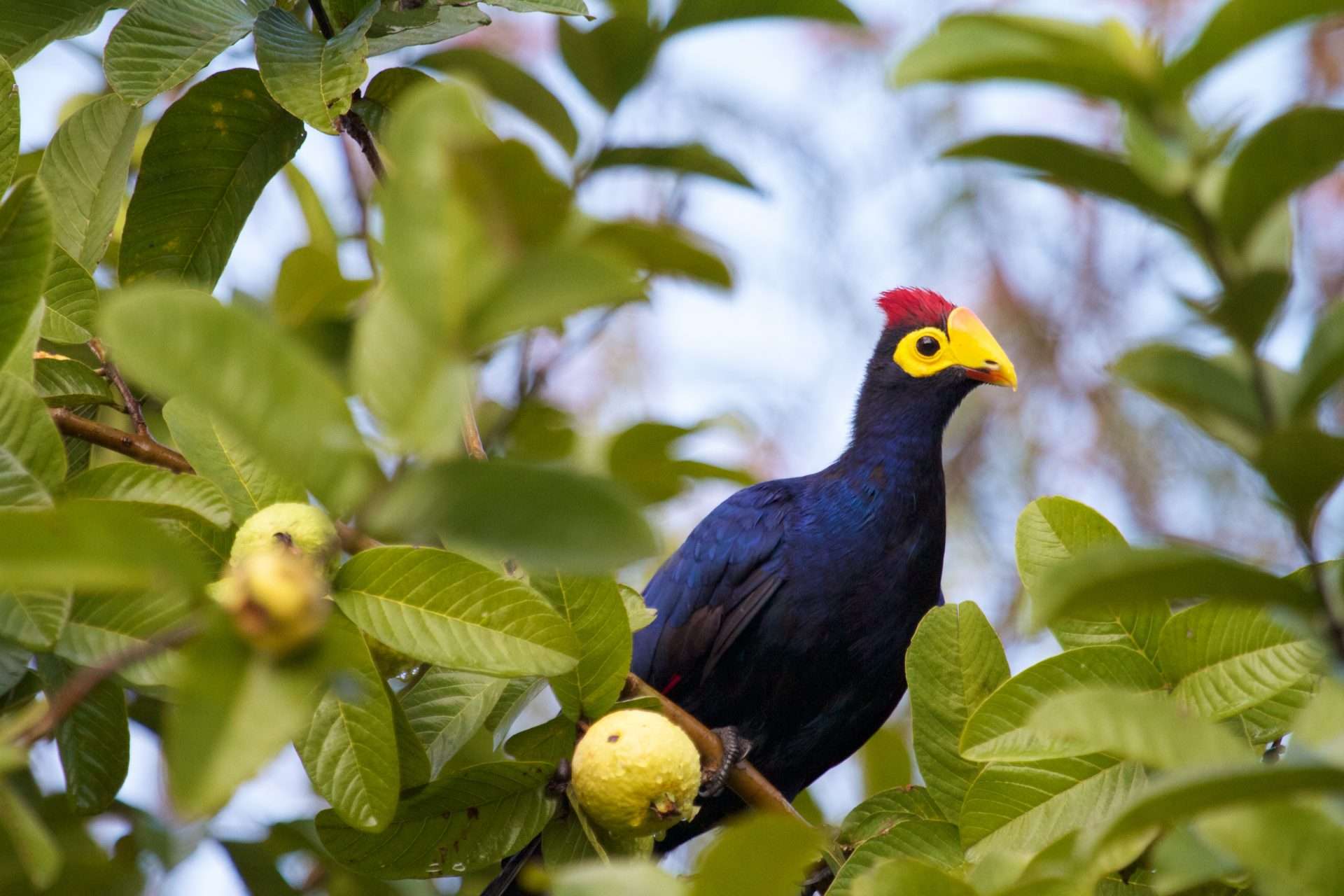
Birding in Volcanoes National Park is an immersive adventure that starts early in the morning at the park headquarters.
Visitors hire a local guide knowledgeable about bird species and trails.
Armed with binoculars, a field guide book, and a camera, they embark on guided walks along birding trails.
Trails vary in difficulty, from easy paths near the entrance to challenging hikes up mountains like Mount Bisoke or Mount Karisimbi.
During the walk, the guide points out rare birds like the Rwenzori turaco or double collared sunbird, explaining their behaviors.
The experience involves quietly observing birds in their habitats, identifying them by sight or calls that are unique to each bird species.
The misty, wet environment adds mystery, with possibilities to spot animals like the buffalo or elephants.
Unlike self-guided tours, a birding guide ensures safety and maximizes sightings of these birds for an immersive experience and lasting memories.
This activity takes 2-6 hours, allowing time to learn about the park’s biodiversity in East Africa.
Birdwatchers pack energy snacks and drinking water, wearing long trousers and a long, long-sleeved shirt to navigate vegetation.
Birders might combine this safari experience with gorilla trekking or golden monkey tracking for a full safari in Rwanda.
It’s perfect for travelers seeking a peaceful, educational escape in Rwanda’s Volcanoes National Park.
Birds to See in Volcanoes National Park During Birding Excursions
Volcanoes National Park is a haven for bird watching, boasting a variety of birds that attract birdwatchers from around the world.
With over 200 species, including migratory birds and endemic ones, visitors can spot colorful bird species during Rwanda birding tours.
The park’s rich vegetation supports several species, making it ideal for observing birds in their natural habitats.
Albertine Rift Endemics
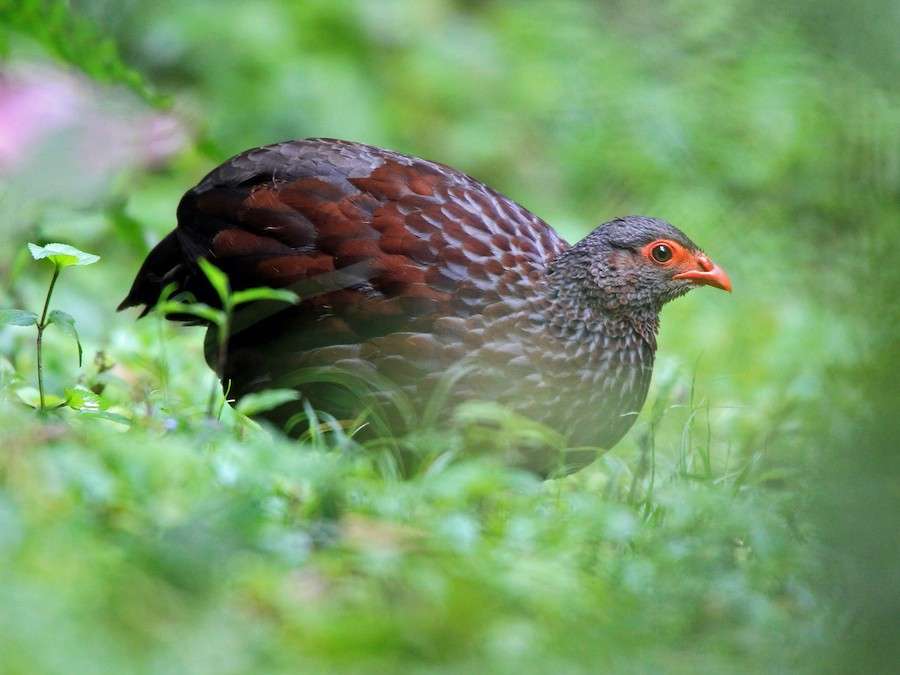
The Albertine rift endemics are unique to this region, and Volcanoes National Park hosts 17 of them. These rare birds thrive in the park’s diverse habitats, and they can be seen when birding. These include:
- Archer’s ground robin
- Dusky crimson wing
- Grauer’s rush warbler
- Handsome francolin
- Lagden’s bush shrike
- Red-faced woodland warbler
- Rwenzori apalis
- Rwenzori batis
- Rwenzori double collared sunbird
- Rwenzori nightjar
- Rwenzori turaco
- Scarlet tufted sunbird
- Strange weaver
- Doherty’s bush shrike
- African green broadbill
- Kivu ground thrush
- Collared apalis
These Albertine rift endemics make Volcanoes National Park a must-visit for serious birdwatchers looking to add rare sightings to their Birding list.
OTHER BIRDS IN VOLCANOES NATIONAL PARK
Beyond the endemics, Volcanoes National Park features a wide array of other birds. Bird species here include common and migratory birds that enhance any Rwanda birding safari. This is a list of notable ones:
| · African goshawk | · Palm nut vulture | · Crested barbet | · Grey-backed fiscal |
| · Lesser honey guide | · Bat hawk | · Red-cheated sunbird | · Double collared sunbird |
| · Rwenzori turaco | · Olive-bellied sunbird | · Bronzy sunbird | · Black cuckoo shrike |
| · Narina trogon | · Brown backed honeybird | · Francolin | · Dusky turtle dove |
| · Blue-headed sunbird | · Yellow-billed barbet | · Speckled mousebird | · White naped pigeon |
| · Emerald spotted wood dove | · Great blue turaco | · Black billed turaco | · Red chested cuckoo |
| · African emerald cuckoo | · Alpine swift | · African black duck | · Helmeted guineafowl |
| · Ring-necked dove | · Laughing dove | · African green pigeon | · Black bellied bustard |
| · Ross’s turaco | · White browed coucal | · Blue malkoha | · Levaillant’s cuckoo |
| · Klaas’s cuckoo | · Montane nightjar | · Little swift | · African palm swift |
| · Black crake | · Gray crowned crane | · African jacana | · Common sandpiper |
| · Lesser flamingo | · Little grebe | · African openbill | · Marabou stork |
| · Reed cormorant | · African sacred ibis | · Hadada ibis | · Little egret |
| · Gray heron | · Hamerkop | · Black winged kite | · African harrier hawk |
| · Bateleur | · Crowned eagle | · Long crested eagle | · Tawny eagle |
| · African hawk eagle | · Gabar goshawk | · Lizard buzzard | · Shikra |
| · Black kite | · African fish eagle | · Common buzzard | · Augur buzzard |
| · African scops owl | · Verreaux’s eagle owl | · African wood owl | · Speckled mousebird |
| · Narina trogon | · Green woodhoopoe | · Crowned hornbill | · African gray hornbill |
| · Black bee eater | · Cinnamon chested bee eater | · Malachite kingfisher | · Pied kingfisher |
| · Lilac-breasted roller | · Gray-throated barbet | · Yellow-rumped tinkerbird | · Double-toothed barbet |
| · Greater honeyguide | · Cardinal woodpecker | · Nubian woodpecker | · Eurasian kestrel |
| · Gray parrot | · Meyer’s parrot | · African broadbill | · Grauer’s broadbill |
| · Gray cuckooshrike | · Petit’s cuckooshrike | · African golden oriole | · Western black headed oriole |
| · Chestnut wattle eye | · Brown throated wattle eye | · Chinspot batis | · Black and white shrike flycatcher |
| · Brubru | · Northern puffback | · Tropical boubou | · Black headed gonolek |
| · Gray green bushshrike | · Fork tailed drongo | · African paradise flycatcher | · Gray backed fiscal |
| · Pied crow | · African blue flycatcher | · Dusky tit | · Stripe breasted tit |
| · Flappet lark | · Western nicator | · Green crombec | · Green-backed camaroptera |
| · Black throated apalis | · Tawny flanked prinia | · Red-faced cisticola | · Chubb’s cisticola |
| · African yellow warbler | · Cinnamon bracken warbler | · Black sawwing | · Barn swallow |
| · Common bulbul | · Yellow-whiskered greenbul | · Willow warbler | · Green hylia |
| · Garden warbler | · Northern yellow white eye | · Pale-breasted illadopsis | · Arrow marked babbler |
| · Yellow-billed oxpecker | · Violet backed starling | · Rueppell’s starling | · Abyssinian thrush |
| · African dusky flycatcher | · White eyed slaty flycatcher | · Cape robin chat | · Sooty chat |
| · Collared sunbird | · Scarlet-chested sunbird | · Bronze sunbird | · Variable sunbird |
| · Baglafecht weaver | · Village weaver | · Red billed quelea | · Yellow bishop |
| · Bronze mannikin | · Dusky twinspot | · Red billed firefinch | · House sparrow |
| · African pied wagtail | · African pipit | · | · |
These birds add to the excitement of bird viewing in the park, where most birds can be spotted along trails.
OTHER THINGS TO SEE IN VOLCANOES NATIONAL PARK WHEN BIRDING
While bird watching, visitors often encounter other attractions in Volcanoes National Park, such as.
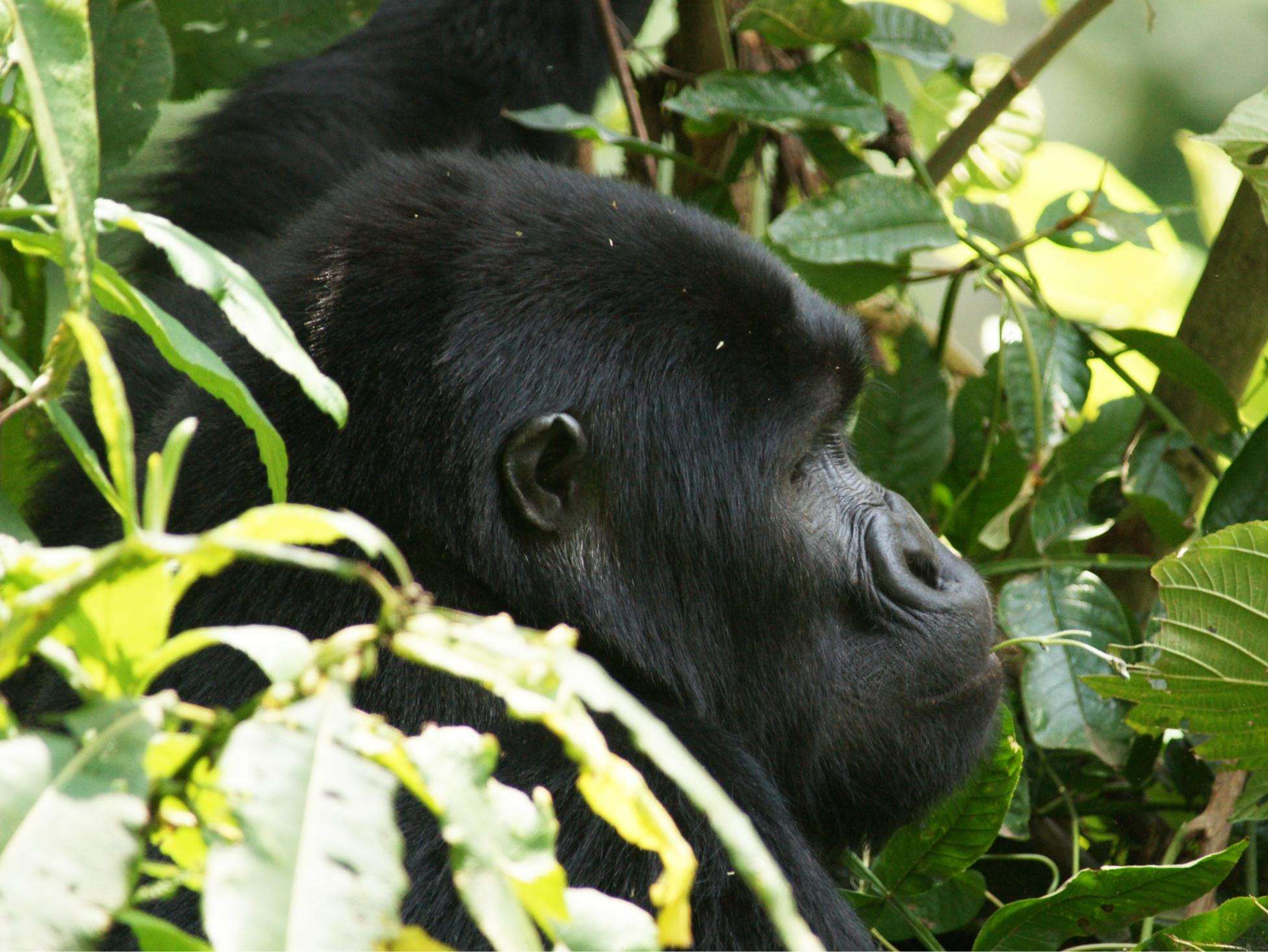
- Mountain Gorillas: These gentle giants roam the bamboo forests. Spot them during hikes, learning about their family lives and conservation efforts in this well-known habitat during birding safaris or gorilla tours in Rwanda.
- Golden Monkeys: Playful primates endemic to the Virunga Massif found in bamboo zones of Volcanoes National Park in Rwanda, besides Mgahinga Gorilla National Park of Uganda. Observe their acrobatics and social behaviors, adding thrill to birding excursions, unlike just focusing on birds.
- African Elephants: Rarely seen but majestic, these animals traverse remote areas in Volcanoes NP during bird watching tours or Rwanda wildlife safaris. Their presence highlights the park’s biodiversity beyond bird species.
- Buffaloes: Often in clearings, these powerful animals graze peacefully. They offer travelers a chance to see wildlife interactions while searching for birds.
- Forest Duikers: Shy antelopes like black fronted duiker hide in thickets. Spotting them adds variety to the birding experience in the dense vegetation of Volcanoes NP.
- Virunga Mountains: Towering peaks shrouded in mist provide stunning backdrops during bird watching trips. Hike for panoramic views while observing migratory birds.
- Dian Fossey Tomb: Hike to this historical site to learn about gorilla conservation history, combining education with bird sightings along the way.
Book a Rwanda Volcanoes National Park birding trip today and see all these birds and other wildlife species firsthand for unforgettable memories!
Birding Hotspots or Locations Where Birds Are Found in Volcanoes National Park
Volcanoes National Park has several birding hotspots where birds thrive in unique habitats. These locations offer prime opportunities to spot rare species amid the park’s trails and vegetation. These birding areas include.
- Mount Bisoke Summit: This volcano’s crater lake area is perfect for high-altitude bird watching. Spot scarlet tufted sunbird and Grauer’s rush warbler in Afro-alpine vegetation. The hike reveals migratory birds and Albertine rift endemics, with misty views enhancing the experience.
- Bamboo Forests: Dense bamboo zones near park headquarters host golden monkeys and birds like Rwenzori turaco. Ideal for observing the double collared sunbird and strange weaver during birding trips in Volcanoes National Park. Trails here are accessible, allowing birdwatchers to spend time listening to calls in this native habitat.
- Montane Forests: Lower elevation forests teem with colorful bird species such as African green broadbill and Lagden’s bush shrike. Vegetation supports several species, making it a hotspot for birding safaris. Guided walks reveal hidden gems in this lush, biodiverse area of Volcanoes National Park.
- Afro Alpine Meadows: Higher zones on Mount Karisimbi offer sightings of red-faced woodland warbler and Kivu ground thrush. The open land allows easy spotting of birds amid subalpine plants. It’s great for combining mountain climbing with bird viewing excursions.
- Birding Trails Near Kinigi: Starting from the park headquarters, these trails wind through varied habitats that are home to several bird species. Spot collared apalis and Archer’s ground robin. The area is rich in migratory birds during the breeding season, providing a comprehensive birding experience for visitors.
- Virunga Mountains Slopes: Slopes of Virunga volcanoes like Sabyinyo feature bush land and heath that are home to several avians. Observe the palm nut vulture and the African goshawk here. The terrain offers chances to see birds in flight, ideal for photographers carrying birding binoculars.
Rules for Birding in Volcanoes National Park
To protect the park’s birds and habitats, follow these rules during bird watching trips in Volcanoes National Park:
- Stay on designated trails to avoid disturbing vegetation and animals.
- Maintain silence or speak quietly to not scare away birds or wildlife.
- Do not feed or approach birds, mountain gorillas, or golden monkeys.
- Carry out all trash; no littering to keep the park clean.
- Follow your guide’s instructions at all times for safety.
- No flash photography to prevent stressing the birds.
- Groups limited to 8 people to minimize impact.
- Obtain permits in advance from park headquarters.
- Respect local communities and avoid unauthorized areas.
Volcanoes National Park Accommodation to Stay at When Birding

For a comfortable stay during birding tours, Volcanoes National Park offers various accommodations near the park. These range from luxury to budget options, and they include:
| · Mountain Gorilla View Lodge | · Da Vinci Gorilla Lodge | · Tiloreza Volcanoes Eco Lodge |
| · Le Bambou Gorilla Lodge | · Five Volcanoes Boutique Hotel | · Sabyinyo Silverback Lodge |
| · Virunga Lodge | · Bisate Lodge | · Amakoro Songa Lodge |
| · Le Palme Hotel | · Hotel Muhabura | · Songa Lodge |
| · One & Only Gorilla’s Nest | · Garden Place Hotel | · Villa Gorilla |
| · Kinigi Guest House | · Virunga Inn and Resort | · Fatima Hotel |
| · Best View Hotel | · Faraja Hotel | · Fravan Eco Resort |
These lodges provide easy access to birding trails and views of the Virunga mountains when on bird spotting tours in Volcanoes NP.
Costs to Incur When Birding in Volcanoes National Park
Birding costs in Volcanoes National Park vary by visitor category. Below is a list based on recent fees:
- Foreign Non-Resident Birding Fee: $50 per person
- Foreign Resident Birding Fee: $40 per person
- Rwandan Citizen Birding Fee: RwF 5000 per person
- East African Member Birding Fee: $10 per person
- Foreign East African Resident Birding Fee: $30 per person
- Park Entrance Fee (if separate): $100 per day for international visitors
- Guide Hire: $20-50 per group, depending on duration
- Transportation from Kigali: $100-200 for private hire
- Accommodation: $50-2500 per night, varying by lodge
- Meals and Snacks: $20-50 per day
- Birding Binoculars Rental (if needed): $10-20 per day
Note: Fees may include guided walks; confirm at park headquarters.
And for actual pricing or quotes, liaise with a reputable Rwanda tour operator!
How to Get to Volcanoes National Park for Birding Excursions?
Getting to Volcanoes National Park for birding is straightforward from Rwanda’s capital, Kigali.
Most visitors fly into Kigali International Airport, then drive northwest for about 105 kilometers.
The journey takes 2-3 hours in a 4WD vehicle, passing scenic roads through rural areas of Musanze. Hire a car or join a tour from Kigali for convenience.
Alternatively, charter a flight to Musanze airstrip near the park, followed by a short transfer to Volcanoes National Park Headquarters.
From Uganda or the Democratic Republic of Congo, cross borders at nearby points like Cyanika.
Once there, head to park headquarters in Kinigi to start your birding safari.
Please note that public transport is available but less reliable for travelers carrying gear like backpacks with binoculars, clothing, etc.
Best Time to Go Birding in Volcanoes National Park
The best time to go birding in Volcanoes National Park is during the dry season from June to August and December to February, when trails are less muddy and visibility is better.
However, the rainy season in March to May and September to November boosts bird activity, with migratory birds arriving from Europe and most birds in breeding season, displaying colorful plumage.
October offers a mix of wet and dry weather, ideal for spotting rare species.
Avoid heavy rains in April for easier hikes, but embrace the mist for a mystical experience.
Year-round visits are possible, but pack accordingly for unpredictable weather.
Rwanda Safari Packing List for Birding Tours in Volcanoes National Park
Essential items for birding in Volcanoes National Park include:
- Birding Binoculars for spotting distant birds
- Field guide book to identify species of birds
- Camera with extra batteries for photos
- Rain jacket for wet conditions
- Long-sleeved shirt and long trousers to protect from vegetation piercings and scratches
- Hiking boots for muddy trails
- Hat and sunglasses for sun protection
- Backpack for carrying gear
- Energy snacks and drinking water
- Insect repellent
- Walking stick for support
- First aid kit
Consult your birding guide or travel agent on the most recommended items to pack for this safari tour in Volcanoes National Park!
OTHER SAFARI ACTIVITIES DONE IN VOLCANOES NATIONAL PARK
Volcanoes National Park offers diverse activities beyond bird watching.
- Gorilla Trekking: Trek through forests to spend an hour with mountain gorillas. Learn about their lives from guides; it’s a thrilling, once-in-a-lifetime encounter requiring permits ($1500) and fitness.
- Golden Monkey Trekking: Track playful golden monkeys in bamboo habitats. Observe their antics up close; easier than gorilla trekking, with permits costing less, perfect for primate lovers.
- Mountain Climbing: Hike volcanoes like Mount Karisimbi or Mount Bisoke hike for summit views. Challenging but rewarding, spot birds and animals along the way in varied vegetation.
- Dian Fossey Tomb Hike: Visit the gravesite of the famous primatologist Dian Fossey. Learn gorilla conservation history while hiking and bird watching; this combines education with scenic trails and possible wildlife sightings.
- Iby’Iwacu Cultural Village Visit: Interact with local communities to experience Rwandan culture. Enjoy dances, crafts, and stories; a great way to learn about the area’s history.
- Guided Nature Walks: Explore trails to see vegetation and animals during African safaris in Rwanda. Spot buffaloes or elephants; ideal for relaxed observation in this biodiverse park.
Other Rwanda National Parks and Birding Destinations
Rwanda has several wildlife safari parks and birding hotspots for bird watching, in addition to Volcanoes National Park, including.
- Nyungwe Forest National Park: Over 310 bird species, including 25 Albertine rift endemics, live in this park and are worth seeing during Rwanda birding tours. Known for its chimpanzee trekking and canopy walks, it’s a top spot for bird-watching in the forest.
- Akagera National Park: Around 500 bird species, with savanna and wetland habitats, call Akagera home. The park also features big game like lions, great for game viewing and diverse birding in East Africa.
- Gishwati-Mukura National Park: About 200 bird species, focusing on forest endemics, live in this new park, making it an emerging destination with chimpanzees and hiking/bird watching opportunities.
- Bugesera Wetlands and Lakes: Over 100 bird species, including papyrus specialists, live in this birding hotspot. Accessible from Kigali, ideal for urban birdwatchers spotting ducks and warblers.
- Kigali City: This provides avenues for urban birding in its hotel gardens and different spots
Visit Rwanda today and all her biding hotspots for a memorable birding tour in Africa!
Commonly Asked Questions About Birding in Volcanoes National Park
- What Is the Best Time for Bird Watching?
The dry season (June-August) is the best for bird watching in Volcanoes National Park, for this is when there are dry and easy trails, but the rainy season is best for migratory birds and breeding displays.
- How Many Bird Species Are There in Volcanoes National Park?
Over 200 birds call Volcanoes National Park home, including 17 Albertine Rift endemics like Rwenzori turaco and strange weaver.
- Do I Need a Guide When Birding in Volcanoes National Park?
Yes, hiring a local guide is feasible and required for safety and to spot rare birds effectively.
- Can I Combine Birding with Gorilla Trekking in Rwanda’s Volcanoes National Park?
Absolutely; many visitors do both gorilla trekking and birding in one visit to maximize their time in the park.
- What Should I Pack for Bird Watching Expeditions in Volcanoes National Park?
Birding Binoculars, a rain jacket, insect repellent, sunscreen, long trousers, a field guide book, and energy snacks are some of the essential items often suggested for packing if heading for Rwanda birding tours in Volcanoes NP.
- Where Are the Birding Hotspots in Volcanoes National Park?
Mount Bisoke, Karisimbi, bamboo forests, and montane areas are some of the birding hotspots in Volcanoes National Park for diverse sightings of Rwanda birds.
- Is It Safe to Go Birding in Volcanoes National Park?
Yes, with local guides and park rangers who escort you throughout the bird watching expedition in this well-managed safari park, tourists are always safe; however, it’s important to watch for wet trails.
- Can Beginners Join a Bird Watching Tour in Volcanoes National Park?
Yes, it’s suitable for all levels, from beginner birders to seniors, with birding guides at the forefront to help identify birds.
Conclusion
Volcanoes National Park’s birding dazzles with 200+ species—Rwenzori turacos, scarlet-tufted malachites, Albertine endemics—amid bamboo forests, volcanic craters, and gorilla habitats. Spot rarities on guided trails during birding tours in Volcanos NP. Reach out to us now to arrange your Volcanoes birding safari and capture Rwanda’s avian splendor!
What you may like
-
Buhanga Sacred Forest Walk
Read more -
MUSANZE CAVES: MUSANZE CAVE HIKE RWANDA
Read more -
Dian Fossey Grave – Where Was Dian Fossey Buried?
Read more -
Mount Bisoke Hike in Rwanda – Mt. Bisoke Hike
Read more -
Mount Karisimbi – The Stunning Mt. Karisimbi Volcano
Read more -
Golden Monkey Trekking in Rwanda
Read more
Want to visit Volcanoes Park?
Want to visit Volcanoes National Park, Rwanda's only mountain gorilla trekking park?
