Top-Rated Congo Tour Operators, Safari Companies, and Travel Agencies
If you’re planning a trip to the Democratic Republic of Congo, working with a good Congo tour operator can make the experience much smoother. They can help you put together safaris, gorilla trekking, and hiking trips to places like Virunga National Park—without you having to figure out every detail on your own.
In most cases, tour operators take care of the on-the-ground work—permits, transport, guides, and day-to-day logistics—while travel agencies may focus more on bookings and itinerary coordination. Either way, choosing a reputable company matters in a country as large as the DRC (about 2,344,858 square kilometers), where planning well can be the difference between a stressful trip and a great one.
Here’s a practical overview of the main operators, where they go, and what you can do once you’re there.
Congo Travel Agencies in Central Africa: How to Choose the Best Tour Company

The “best” travel tour company depends on your route, budget, and travel style, but some of the top Congo-focused agencies include:
- Prime Safaris and Tours Ltd
- Congo Gorilla Safaris and Tours
- Wild Gorilla Safaris
- Africa Safaris Tours
- Gorilla Safaris and Tours
Types of Safari Companies and Travel Agents in Congo
1. Inbound Tour Agents in Congo
Inbound tour agents work with visitors coming from outside the DRC. They help put together practical itineraries for places like Virunga and Kahuzi-Biega, arrange gorilla permits, and sort out the basics such as transport, accommodation, and guides.
2. Outbound Travel Agents in Congo
Outbound agents do the opposite—they help people based in the DRC plan trips abroad, including Uganda, Rwanda, Kenya, Tanzania, and beyond. They can assist with visas, flights, hotels, and guided tours, and they’re useful if you want to combine a Congo trip with neighboring countries.
3. Domestic Safari Agents in Congo
Domestic safari agents mainly serve local travelers and residents. They put together shorter, more affordable getaways—think the Congo River, Lake Kivu, and other scenic spots—often with a mix of nature and culture.
4. Ground Travel Operators in Congo
Ground travel operators are the people handling the practical side in-country: vehicles (often 4x4s), drivers, guides, park coordination, and problem‑solving when plans change. In eastern Congo—where routes can be remote—strong local logistics make a real difference.
Top Destinations and National Parks Covered by Congo Safari Operators
Virunga National Park
Virunga National Park—Africa’s oldest national park (founded in 1925) and a UNESCO World Heritage Site since 1979—is a top pick for many DRC visitors. It’s home to more than 200 mountain gorillas, plus dramatic volcano scenery. Operators can arrange gorilla trekking, the Nyiragongo hike, guided forest walks, birding, chimp experiences, and community trails, depending on what’s open and realistic for your dates.
Kahuzi-Biega National Park
Kahuzi-Biega National Park (created in 1970) is best known for the endangered eastern lowland gorillas—also called Grauer’s gorillas. The landscape includes Mount Kahuzi and Mount Biega, and the park is rich in wildlife, with 137 mammal species and roughly 350 bird species. Many tours here focus on gorilla trekking (about $400), forest hikes, and birdwatching.
Maiko National Park
Maiko National Park covers around 10,400 sq km and protects rare species such as Grauer’s gorillas, okapis, and forest elephants. Trips here tend to be about remote rainforest exploration—guided walks and birding—rather than classic, guaranteed wildlife viewing.
Mount Nyiragongo
Mount Nyiragongo (within Virunga) is famous for the world’s largest lava lake and is easily one of the DRC’s most memorable hikes. Most climbs start from Kibati, with guides and porters, and an overnight stay at the summit shelters. Coming back down is quicker—and seeing the crater glowing after dark is the moment most people remember.
Lwiro Chimpanzee Sanctuary
Lwiro Chimpanzee Sanctuary, close to Kahuzi-Biega, cares for chimpanzees and other primates rescued from poaching and the illegal wildlife trade. Many itineraries include a short visit so you can learn about the work and see the sanctuary’s conservation efforts up close. Some travelers also ask about volunteering, depending on availability and requirements.
Senkwekwe Gorilla Orphanage
Senkwekwe Gorilla Orphanage in Virunga cares for mountain gorilla orphans impacted by conflict and wildlife crime. With the right arrangements, tour operators can organize responsible visits where you learn about the care and rehabilitation work and observe the young gorillas alongside their caretakers.
Other Must-See Places in DR Congo
- Congo River: river cruises, big-water scenery, and stops in riverside towns and villages. In a few areas, you can also learn about bonobo conservation.
- Lake Kivu: relaxed boat rides, lakeside views, and a good place to slow down between trekking days.
- Virunga Volcanoes: additional hikes on peaks like Mikeno, and (where conditions allow) Nyamuragira.
- Batwa community visits: community-led cultural trails that focus on heritage, storytelling, and traditional knowledge.
- Destination extensions: if you have time, it’s easy to add Rwanda, Uganda, Kenya, or Tanzania and turn it into a multi-country trip.
Popular Congo Safaris and Activities
Eastern Lowland and Mountain Gorilla Trekking in Congo
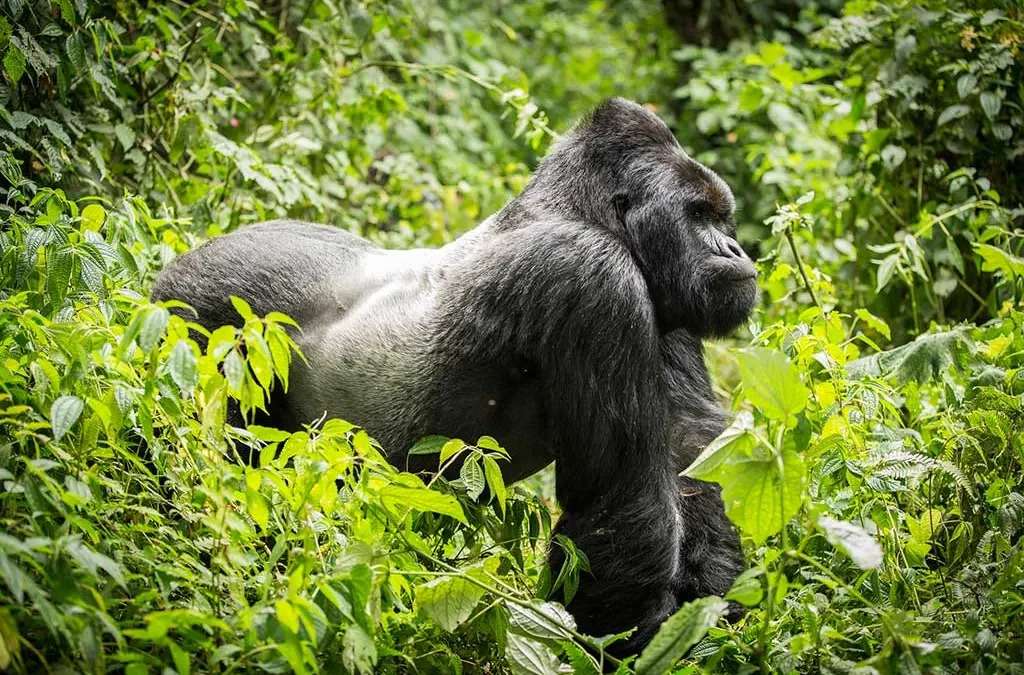
Gorilla trekking in Congo is one of Africa’s most powerful wildlife encounters, with mountain gorillas in Virunga and eastern lowland (Grauer’s) gorillas in Kahuzi-Biega. Most treks begin with a morning briefing at park headquarters, followed by a guided hike of 30 minutes to 6 hours. Once you reach the gorilla family, you spend 1 hour observing them. Permits cost $400, and it’s best to book early due to limited availability.
The drier months (June–September) are usually the easiest time to trek because trails are less slippery. During the hike, always follow your guide and park rangers—they’re there for both your safety and the gorillas’ wellbeing.
Additional Wildlife Safari Experiences during Congo Tours
Beyond primates, Congo safaris can also include sightings of okapis, forest elephants, hippos, and golden monkeys, depending on where you travel. Operators may add guided walks, lake cruises, and other excursions that showcase the DRC’s wild, lesser-visited habitats.
Guided Nature Walks
Guided nature walks are a great way to experience the forest up close—spotting primates, birds, and unique plant life along the way. A good operator chooses safe routes and timings, helping you spend more time in nature (and less time driving) during your Congo holiday.
Mount Nyiragongo Hiking Excursions
Nyiragongo hikes typically start at the Kibati Patrol Post and climb to the summit shelters overlooking the lava lake. Operators can arrange guides and porters (especially helpful if you plan to spend the night). Watching the glowing crater after dark is the highlight for many travelers.
Chimpanzee Trekking, Watching, and Habituation
Chimpanzee experiences in and around Virunga can include forest trekking, habituation experiences (where available), and visits to Lwiro Sanctuary. These encounters are a favorite for primate enthusiasts who want to go beyond gorillas.
Cultural Experiences to See the Batwa Pygmies
Batwa cultural experiences—often arranged through community trails—may include traditional storytelling, music and dance, and learning about forest life and heritage. When done responsibly, these visits can support local livelihoods and community-led projects.
Birding in Congo
Birding in Congo is especially rewarding in Kahuzi-Biega, with around 350 recorded species, including colorful forest specialties such as broadbills. Early-morning outings are often best, when birds are most active and visibility is clearer.
Adventurous Holidays
For travelers who want something truly off the beaten path, adventurous Congo holidays can combine trekking, volcano hikes, photography, and remote forest exploration—often across multiple regions—into one action-packed itinerary.
Best Congo Tour Packages for 2026/2027
Budget Tour Packages
Budget 2026/2027 packages usually use shared transport and simpler lodges while still covering the essentials—gorilla trekking, key hikes, and park visits. They’re a good fit for travelers who want the experience at a lower cost without cutting out the highlights.
Luxury Safari Packages
Luxury 2026/2027 packages emphasize comfort and exclusivity, with private guides, high-end lodges, and (in some cases) helicopter transfers—helpful for reaching remote areas efficiently.
What to Look for in a Congo Tour Operator or Travel Agent
- Local Expertise on the Entire DRC Congo Destination Hotspots
Experience should be a top priority. Choose an operator that understands the main DRC routes, park procedures, and seasonal conditions, and—if you’re combining trips—can coordinate extensions to places like Uganda, Rwanda, Kenya, and Tanzania.
- Transparent Pricing with No Hidden Fees
Look for clear, itemized quotes that show what’s included—permits, transfers, meals, and accommodation—so you’re not surprised by hidden fees later.
- Knowledge about the Current Congo Travel Information
A strong operator should be up to date on visas, park rules, road conditions, and security guidance, so your plans reflect the latest realities on the ground.
- Experienced Guides
Good guides make a big difference. Prioritize companies with trained, knowledgeable guides who communicate clearly and manage safety professionally.
- Good Communication and Customer Care
Customer care matters from your first inquiry to the end of the trip. Choose a team that responds promptly, answers questions directly, and supports you throughout the planning and travel process.
- Legal Affiliations to Travel Associations & Sustainability Focus
Work with companies that are properly registered and affiliated with recognized industry bodies (for example, ATOAV-RDC) and that demonstrate a genuine commitment to conservation and community benefit.
- 100% Best Seller and Customizable Travel Packages Offered
It’s a plus if the company offers well-designed best-seller itineraries that can still be customized—whether you want a short gorilla trek, a longer multi-park route, or add-ons in Uganda, Rwanda, or Tanzania.
- Google Business Verification
A verified Google Business profile can be a helpful credibility signal. It’s not the only factor, but it can add confidence that the business is established and traceable.
Responsibilities of a Reputable Tour Company in Congo
A good Congo tour company doesn’t just “book a trip”—they help everything run smoothly from the first message to the last day on the road. In a place where distances are big and plans can change, the right operator keeps you organized, supported, and focused on the experience in places like Virunga and Kahuzi-Biega.
- Before You Travel (permits, itinerary, bookings)
Before you arrive, an operator can line up the essentials: gorilla permits, visa guidance, a realistic day-by-day plan, accommodation, and transport. It saves you from last-minute scrambling and helps your trip start off calmly.
- Local Know-How (what’s possible, when, and where)
They should also know the parks well—how Virunga and Kahuzi-Biega operate, what seasons mean for road and trail conditions, and how to time things like gorilla trekking, the Nyiragongo hike, and chimpanzee visits.
- Getting You From Place to Place Smoothly
Once you’re on the trip, they coordinate drivers, vehicles (often 4x4s), and timing between stops so the days don’t feel rushed or chaotic. The goal is simple: more time doing what you came for, and less time stuck sorting out logistics.
- Support While You’re Traveling
Good companies don’t disappear once you’ve paid. They stay available through the guide/team on the ground, share updates as needed, and have clear plans for handling delays, changes, or emergencies.
- Responsible Tourism (community + conservation)
If sustainability matters to you, ask what they do in practice—whether they support local community initiatives (including Batwa-led projects where appropriate), follow park rules closely, and contribute in some way to conservation work that protects gorillas and other wildlife.
- After the Trip
Afterwards, some operators check in for feedback, help you track down photos from guides (where available), and share ideas if you’re thinking about adding Uganda, Rwanda, or another destination next time.
How to Choose the Best Tour Operators in Congo
Picking an operator in the DRC can feel overwhelming, especially if it’s your first time. These quick checks make it easier to spot a company that’s organized, transparent, and a good fit for your trip.
- Match the trip to your budget (and check what’s included)
Don’t compare prices alone—compare inclusions. Check whether the quote covers the $400 gorilla permit, meals, accommodation, transport, and guide services. Some budget trips start around $500 for 5 days (depending on the route), but costs can move a lot based on where you go and the comfort level you choose.
- Prefer operators with a solid local track record
If you can, go with an established local operator that works regularly in the areas you want to visit. Strong relationships with parks, lodges, and drivers usually translate into fewer hiccups once you’re on the ground.
- Pay attention to reputation (not just marketing)
Look for patterns in what past travelers say—things like reliability, clear communication, and how problems were handled. Specific feedback about well-managed Nyiragongo hikes or smooth permit arrangements is usually more useful than general praise.
- Read recent reviews (and read between the lines)
Sites like TripAdvisor and SafariBookings can be helpful—just focus on detailed, recent reviews, not only the star rating. A 4/5 or 5/5 score is meaningful when people explain why: strong guides, good vehicles, clear planning, and fair handling of changes.
- Ask about their experience in your exact route
A simple question to ask is: “How often do you run this trip?” If Virunga or Kahuzi-Biega is your priority, make sure they work there regularly. And if you want to combine countries, confirm they can handle add-ons into Rwanda or Uganda without making the itinerary messy.
- Make sure they’re properly registered
Ask for basic proof that they’re legally registered (company details, licenses, and any relevant memberships—such as ATOAV-RDC where applicable). A serious operator won’t mind sharing this.
- Test their communication before you book
Send a few questions by email or WhatsApp and see how they respond. You want clear answers (not copy‑paste replies), realistic timelines, and someone who can explain the plan in plain language.
- Read the fine print (safety approach + booking terms)
Ask how they handle changes—cancellations, weather, road closures, or shifting conditions—and what support you’ll have on the ground. If you’re considering Prime Safaris and Tours Ltd or any other operator, get clear answers on border crossings, who meets you where, and what happens in an emergency.
- Choose safe, traceable payment options
Whatever method you use, make sure it’s traceable and properly documented. Pay to a verified business account where possible, and always ask for an invoice and receipt. If something feels rushed or unclear, pause and double-check.
- Ask about the “extras” (and what they cost)
Some companies can also help with things like travel insurance advice, extra activities (for example, chimp visits where available), or community/conservation add-ons. It’s worth asking what’s included in the base price and what would be an add‑on.
Why Book with a Good Congo Tour Operator?
- An itinerary that fits your pace
A good operator builds the trip around your pace—so you can do gorilla trekking and Nyiragongo without cramming too much into one day or spending hours on unnecessary detours.
- Less hassle with permits and logistics
They’ll usually handle permits (including the $400 gorilla permits), accommodation, and pick-ups—plus border logistics if your route crosses into Rwanda or Uganda—so you’re not piecing it together yourself.
- Help navigating checkpoints and changing conditions
In some regions, you’ll pass checkpoints or run into sudden changes. Experienced teams know the process, keep paperwork organized, and communicate updates so you’re not left guessing.
- Guides who add context (not just directions)
Great guides bring the trip to life—explaining animal behavior, conservation work, and local culture in a respectful way. If you’re traveling in a mixed-language group, multilingual guides can be a big bonus.
- Options at different comfort levels
Most operators can offer a few tiers—budget, mid-range, and luxury—so you can choose what matters most to you (comfort, speed, privacy) without missing the main highlights.
More Information on Congo Safari Tours
How to Pay Safely for a Congo Tour
- Bank transfer (EFT): often a reliable option when sent to a verified company account. Confirm the account details and request an invoice/receipt.
- Pesapal: online card payments via secure forms (fees may apply). It’s commonly used by some East African operators—confirm availability with your company.
- Credit card: some operators accept Visa/Mastercard (online or by card machine). Always confirm in advance and ask for a receipt.
- Methods to be cautious with: cash transfer services (e.g., Western Union/MoneyGram) and crypto can be hard to trace if something goes wrong. If you use them, only do so with well-verified businesses and clear paperwork.
Congo Travel Tips and Safety Notes
Travel in the DRC really depends on the region, so it’s worth doing a quick check of the latest advice for the exact places you’ll visit. Before you go, confirm required vaccinations (including yellow fever) and sort your visa early (often online, depending on your nationality and current rules).
In the main tourism areas—especially inside national parks—activities are usually managed with park rangers and approved operators, which adds structure. For trekking, many people aim for June–September because trails are often drier and easier to walk.
When it comes to payments, stick with methods that leave a clear paper trail. A bank transfer to a verified business account is common—just confirm the details and keep your invoice and receipt.
Sample Itineraries and Trip Planning
Typical 3–10-day Congo itineraries combine mountain gorilla trekking in Virunga, a Nyiragongo lava-lake hike, and/or a visit to Kahuzi-Biega for Grauer’s gorillas. Many travelers also add Rwanda (Volcanoes) or Uganda (Bwindi) as an extension. To get your preferred dates, reserve the $400 permits well in advance, especially in peak season.
Typical Costs: Hiring Tour Operators in Congo
- Many day rates fall in the $100–$500 per person range (depending on what’s included).
- Budget trips of 5–7 days often start from $500+, usually covering the basics.
- Luxury options can run $6,000+, with more privacy and higher-end lodging.
- Gorilla permits are set at $400 per person.
- Visas are typically $75–$150, and flights are an additional cost.
It’s wise to request quotes from 3–5 operators so you can compare inclusions, pacing, and support—not just the lowest price.
Congo Tour Operators & Safari Companies: FAQs
-
Is Congo Good for Tourists?
It can be—especially if you’re coming for gorilla trekking or the Mount Nyiragongo hike in Virunga. But the DRC isn’t a “simple” destination, and advisories often mention risks like crime, unrest, and armed conflict in some areas (particularly in the east). The safest approach is to plan carefully, follow up-to-date advice for your specific route, and travel with an experienced operator.
-
What Companies Operate in Congo?
Reputable operators include Prime Safaris and Tours Ltd, Congo Gorilla Safaris and Tours, Wild Gorilla Safaris, Africa Safaris Tours, and Gorilla Safaris and Tours for gorilla safaris and volcano treks in DR Congo.
-
Is Congo Tourist-Friendly?
Some areas that receive tourists—especially national parks with ranger-led activities—are structured to support visitors. However, the DRC is not uniformly tourist-friendly, and conditions can change quickly by region. Always check current advisories and travel with experienced guides.
-
What is the Travel Agency in the Democratic Republic of Congo?
Leading agencies like Prime Safaris and Tours Ltd., Congo Gorilla Safaris and Tours, Wild Gorilla Safaris, Africa Safaris Tours, and Gorilla Safaris and Tours specialize in DR Congo safaris, gorilla permits, and cultural tours across eastern and western regions.
-
Who’s the biggest tour operator in DR Congo?
There isn’t one clear “biggest” operator across the whole DRC—it usually depends on the region and the kind of trip. If you’re comparing companies such as Prime Safaris and Tours Ltd, focus on what matters for your route: recent reviews, experience in the specific parks you want, and how clearly they explain logistics and support.
-
Can U.S. citizens travel to DR Congo?
Yes. U.S. citizens can travel to the DRC, but it’s smart to check the latest U.S. State Department advisory before you commit. You’ll generally need a visa and a yellow fever vaccination. Because help can be harder to access outside major cities, most travelers do best with a well-planned itinerary and a reputable operator.
-
What Time of Year is Best to Visit the Congo?
For most travelers, June–September is the easiest window for gorilla trekking because trails are generally drier. That said, weather can still be unpredictable, and some operators offer permit discounts in the wetter months—so it’s worth asking what’s available for your dates.
-
How Much Does It Cost to Go on the Congo Safari?
Costs vary a lot depending on comfort level and where you’re going. As a rough ballpark, some budget trips start from $500+ for 5–7 days, while higher-end itineraries can be $6,000+ once you factor in permits and lodging.
-
How Much Does It Cost to Go Gorilla Trekking in Congo?
The standard gorilla permit is $400 per person in Virunga and Kahuzi-Biega. In some low-season periods (often April–May and Oct–Nov), you may find discounts down to around $350. Most people book permits as part of a package through an operator so transport and lodging line up with trek dates.
-
What is the Largest Company in the DRC?
It depends on the industry. In the tourism space, different operators lead in different regions and niches, so it’s better to compare based on experience, reviews, and reliability for your specific itinerary.
-
Does Congo Have a Safari?
Yes. The DRC offers safari-style trips, although they’re a bit different from the classic savannah safaris in East Africa. Many itineraries focus on gorillas and chimpanzees in Virunga and Kahuzi-Biega, along with rainforest wildlife such as okapis and forest elephants in other regions.
Conclusion
With the right operator, visiting the DRC becomes far more straightforward—especially for highlights like gorilla trekking, the Nyiragongo lava-lake hike, and rainforest time in Kahuzi-Biega. Look for a team that’s clear about costs, realistic about travel conditions, and experienced in the specific places you want to visit. That combination usually leads to a safer trip and a better overall experience.