RWANDA GORILLA PERMIT BOOKING – BOOKING GORILLA PERMITS IN RWANDA
Booking gorilla permits in Rwanda is the first and most important step for anyone planning a gorilla trekking experience in Volcanoes National Park.
In Africa, Rwanda is one of the only three countries that are home to mountain gorillas, with the others being Uganda and the DR Congo.
These Rwanda gorilla permits, obtained from RDB or through tour companies, allow visitors to track endangered mountain gorillas in their habitat during Rwanda gorilla trekking tours, as well as aid in supporting local communities and gorilla conservation.
Rwanda offers a well-organized and secure system to manage gorilla tourism, which ensures both conservation and a meaningful experience for tourists.
This is a detailed breakdown of what reserving gorilla permits in Rwanda entails!
What Are Rwanda Gorilla Permits?
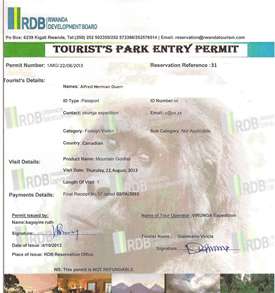
Rwanda Gorilla permits are official authorizations issued by the Rwanda Development Board (RDB) that allow tourists to participate in Rwanda gorilla tracking tours in Volcanoes National Park.
Each permit grants access to a specific gorilla family and allows one hour of interaction with the gorillas to minimize the impact of humans on the endangered gorillas.
Why Reserve Gorilla Permits in Rwanda? | Why Are Gorilla Permits Required for A Rwanda Gorilla Safari?
Rwanda is one of only three countries in the world where mountain gorilla tracking is possible. Some of the reasons why booking a gorilla permit for Rwanda is important and required are.
1) A gorilla permit acts as proof of legal access to visit a habituated gorilla family in Volcanoes National Park during Rwanda gorilla tours.
2) It helps limit the number of visitors per day, reducing stress on the gorilla groups and their habitat.
3) The permit fee funds Rwanda gorilla conservation programs, anti-poaching units, and the protection of endangered mountain gorillas for future generations.
4) A portion of the revenue from the permits helps support local communities living around the park, improving livelihoods and reducing human-wildlife conflict.
5) Gorilla permits help park authorities and park rangers manage treks, assign gorilla families, and maintain visitor safety.
6) The gorilla permit system helps preserve the bamboo-covered steep slopes and forests that are essential to gorilla survival.
7) The gorilla permit booking system supports expert trackers, guides, and tourism jobs that benefit the local economy.
8) Limits on permit issuance and strict health protocols reduce the risk of human diseases spreading to gorillas in the wild.
9) By requiring a permit, Rwanda promotes ethical, sustainable travel and low-impact tourism.
10) Each permit bought supports Rwanda’s role in the global effort to save mountain gorillas from extinction.
Who Issues Gorilla Permits in Rwanda?
Gorilla permits for Rwanda are officially issued by the Rwanda Development Board (RDB)—a government body that regulates tourism, manages Volcanoes National Park, and ensures conservation standards are upheld by all tourists on Rwanda safaris in this park.
What Does the Rwanda Gorilla Permit Cover?
A Rwanda gorilla permit allows visitors to experience a once-in-a-lifetime encounter with endangered mountain gorillas in Volcanoes National Park during a gorilla trip in Rwanda.
The tracking fee/permit includes several key services essential for a safe and memorable trekking experience:
- A Magical hour of guided time with a habituated gorilla troop
- Services of expert rangers and trackers
- Pre-trek briefing at the park headquarters
- Armed security escort throughout as you visit gorillas
- Contribution to Rwanda conservation efforts
- Support for local communities living near Volcanoes National Park
However, it is important to note that the permit does not cover transport, accommodation, meals, porter services, or tips to porters.
How Do I Book A Gorilla Permit in Rwanda?
You can book a gorilla permit for Rwanda in two ways.
1) First, directly through the Rwanda Development Board (RDB) by emailing reservation@rwandatourism.com or info@rdb.rw using the official RDB website https://rdb.rw/.
2) Second, by using a licensed Rwanda tour operator e.g Prime Safaris & Tours Ltd, Wildgorilla Safaris, Gorilla Safari Rwanda, Rwanda Gorilla Tracking Safaris, Gorilla Tracking Rwanda, Africa Safaris Tours, Gorilla Safaris Tours who can handle bookings, travel logistics, and permit follow-up on your behalf.
IMPORTANT NOTES
Permit Processing Time: Once your application is completed, the system automatically generates a tourist permit.
Application Process: To apply, you must provide full personal details, including your name, passport number, email, and phone number, during payment.
Bookings and Reservations: Gorilla permits in Rwanda are limited and issued on a first-come, first-served basis, so booking in advance Rwandan nationals, foreign, and E.A. residents is strongly advised.
Accurate personal details and confirmed trekking dates are essential, as errors or incomplete applications may lead to rejection, even if payment has been made.
Rwandese nationals must pay the full amount at the time of booking.
What Information Is Required to Process a Rwanda Gorilla Trekking Permit?
To secure a gorilla permit, you will need to provide this information to the RDB:
- Full names exactly as they appear on the passport
- Passport number or passport details (clear copy of the passport’s bio page)
- Nationality and country of residence (Rwandese national, E.A citizen, foreign resident, or international tourist)
- Contact details like email and phone number
- Trip dates and preferred trekking date (this should be fixed in advance)
- Nationality Payment is made via bank transfer or online payment portals.
- The number of permits requested (for tour operators)
- Tour operator details (if booking through one)
PLEASE NOTE
1) Incorrect passport information, vague travel dates, or incomplete application forms may lead to rejection.
2) Even if you’ve paid, errors can lead to denied access to the national park on the trekking day. Always double-check all submitted details before confirming.
3) If you’re a Rwandese national or E.A. resident, be aware that full payment is typically required upfront.
Accurate information ensures a smooth booking, protects you from fraud, and guarantees access to track mountain gorillas for an unforgettable gorilla adventure in Rwanda.
Who Can Get a Gorilla Permit For Rwanda?
Rwanda gorilla watching is open to all travelers aged 15 and above, in good health, and with a valid ID.
Eligible participants include international tourists, East African citizens, foreign residents, and Rwandese nationals.
To protect gorillas, individuals with flu or contagious illnesses may be denied access.
The tracking fee/price varies by residency—E.A. residents pay less, while foreign tourists pay the full rate.
All permits are issued on a first-come, first-served basis through the Rwanda Development Board (RDB) or licensed tour operators.
How Far in Advance Should I Book Gorilla Trekking in Rwanda?
When reserving gorilla permits for Rwanda, it’s best to secure your spot 3 to 12 months in advance, especially for peak seasons like June to September and December to February.
Rwanda limits access to only 96 permits daily for Volcanoes National Park, making early booking crucial.
Rwanda Gorilla trekking permits can sell out fast, particularly for popular dates and groups.
To avoid disappointment, plan with your tour operator or through the Rwanda Development Board well ahead of your travel dates.
How Many Gorilla Permits Are Issued Daily in Rwanda?
Rwanda issues around 96 permits per day, corresponding to the number of available gorilla tracking slots. Each fully habituated gorilla troop of the 12 accommodates up to 8 visitors during gorilla-watching safaris in Rwanda.
How Much Does the Rwanda Gorilla Permit Cost for Rwandan Nationals, Foreigners, And East African Residents?
As of 2025, the tracking fee/cost of a gorilla permit for Rwanda is
- Foreign non-residents: USD 1,500
- Foreign residents in East African countries: USD 500
- Rwandese nationals: RWF 30,000
- East African citizens: USD 200
These prices include park entrance fees, guide services, security, and one hour with a fully habituated gorilla troop.
Is It Possible to Cancel a Rwanda Gorilla Permit Booking and Get a Refund?
Gorilla Rwanda permit bookings are non-refundable if you cancel or miss your trek.
However, if booked through a tour operator, you may reschedule with at least 30 days’ notice.
The Rwanda Development Board offers a 50% refund if you’re declared unfit to trek due to illness at the park.
In rare cases—like gorilla group movement or no gorilla sightings—you may receive a full or 75% refund, but late arrivals and no-shows are strictly non-refundable.
Where Does Gorilla Tracking Happen in Rwanda?
Gorilla watching tours in Rwanda take place in only one park—Volcanoes National Park, located in the northwest near the border with Uganda and the Democratic Republic of the Congo. The park is known for its bamboo-covered steep slopes and breathtaking views.
It is important to note that these endangered gorillas in Volcanoes National Park can also be tracked and seen in two other countries
- Uganda (Bwindi Impenetrable National Park and Mgahinga Gorilla National Park)
- Democratic Republic of Congo (Virunga National Park).
What Is the Rwanda Gorilla Trekking Experience Done in Volcanoes National Park?
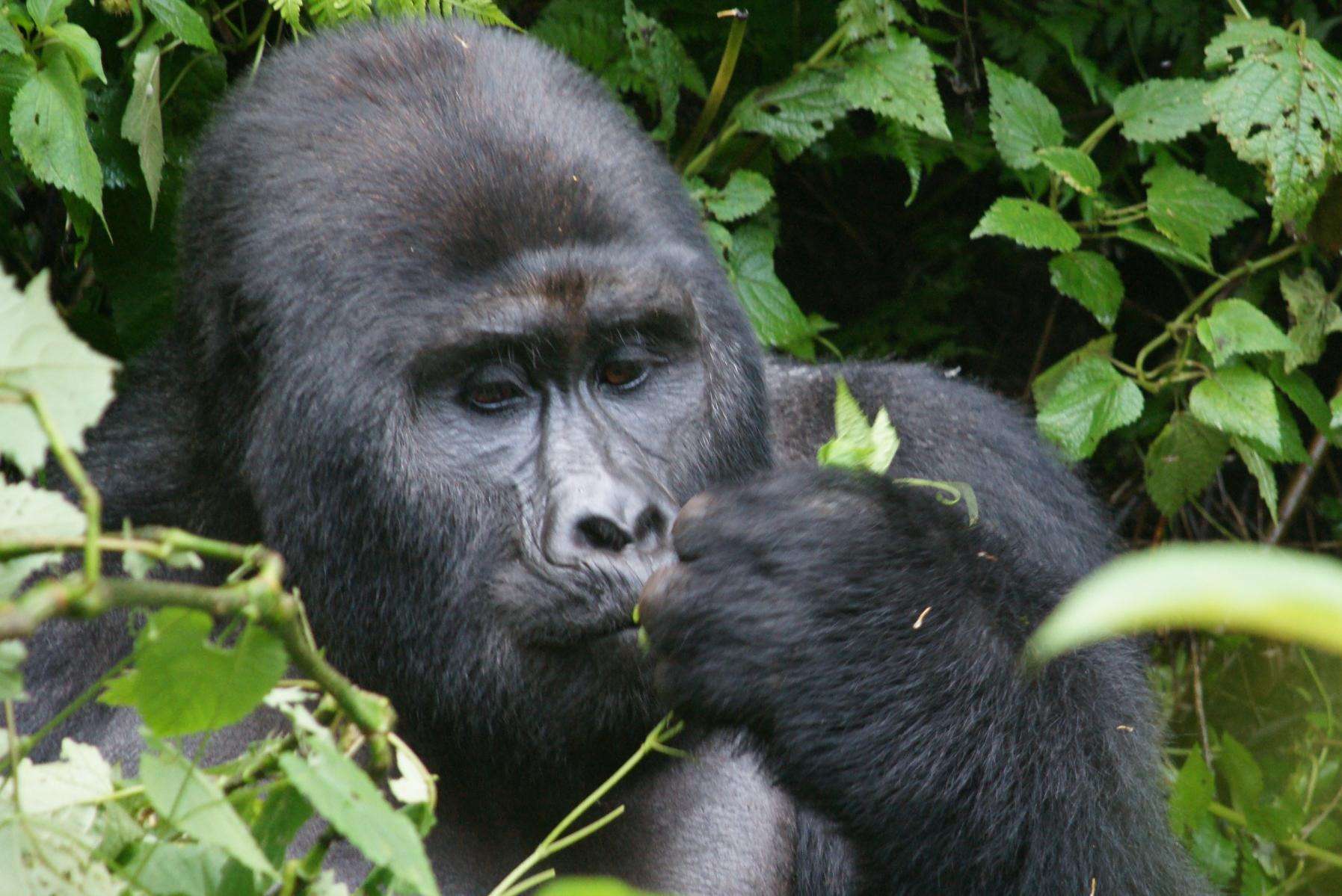
The Rwandan gorilla-watching experience in Volcanoes National Park is a life-changing wildlife adventure where visitors track fully habituated mountain gorillas through bamboo-covered slopes and lush rainforest during gorilla tours.
Expert rangers and trackers guide small groups (8) to a specific habituated gorilla family, offering an awe-inspiring hour observing their daily lives as they build nests, forage, etc.
You’ll witness at least one silverback, several females, and playful juveniles in their habitat.
Trekking gorillas is allowed only with a valid gorilla permit in Rwanda, and human-gorilla interaction is strictly regulated for conservation.
How Many Habituated Gorilla Groups Are Available for Tracking in Rwanda?
There are over 12 habituated gorilla groups available for tracking gorilla trips in Rwanda. These include:
- Susa (Susa A)—The largest and most famous group, initially studied by Dian Fossey. Known for its large size and challenging hike.
- Karisimbi (Susa B)—A breakaway from Susa A, found on the upper slopes of Mount Karisimbi.
- Sabyinyo – Easily accessible group with a massive silverback named Guhonda.
- Amahoro – Peaceful and calm group located on gentle slopes.
- Umubano – Formed by a split from Amahoro, led by a dominant silverback.
- Agashya (Group 13) – Formerly small, now large under the leadership of Agashya.
- Kwitonda – Migrated from the DRC; resides near Mount Muhabura.
- Hirwa—”Lucky one,” formed from members of Sabyinyo and Group 13.
- Bwenge – Medium-sized group; relatively easy to access.
- Ugenda—Frequently mobile, often changing location, making them tricky to find.
- Titus—Named after silverback Titus, a legendary gorilla studied by Dian Fossey.
- Igisha—A Newer group that split from Susa, now habituated for tourism.
Each group has different characteristics, ranging from gentle creatures to more active families with rapid movements.
How Do the Volcanoes National Park Authorities Choose a Gorilla Family to Be Tracked by Each Group of Tourists?
In Volcanoes NP, authorities and rangers assign each tourist group a habituated gorilla family based on fitness level, age, group size, and gorilla location.
Accessible families like Sabyinyo suit less fit visitors, while groups like Susa require strenuous hikes.
Tour operators provide input ahead of time, and final assignments are made during the morning briefing at park headquarters.
This system ensures a safe, enjoyable gorilla-watching experience while protecting mountain gorillas and balancing conservation with sustainable tourism practices.
How Long Does a Gorilla Trekking Tour in Rwanda Take?
A full gorilla watching tour in Rwanda typically lasts 2 to 8 hours, depending on the location of the gorilla group you’re assigned.
Once trackers find the gorillas, visitors are allowed a maximum of 1 hour to observe and photograph these gentle giants in their habitat.
This strict time limit helps protect the endangered gorillas from stress and potential illness caused by prolonged human presence during the experience.
What Are the Gorilla Trekking Rules and Regulations to Follow on A Rwanda Gorilla Trip?
- Keep a 7-meter distance from gorillas at all times.
- No trekking if sick with contagious illnesses (flu, cough, diarrhea).
- Only those with a minimum age of 15 or above can track gorillas
- Limit visits to 1 hour with the gorilla troop.
- No flash photography—use only non-flash cameras.
- Stay silent or speak softly; sudden movements or noise are strictly prohibited.
- Do not touch or feed the gorillas under any circumstances.
- Follow the park ranger’s instructions throughout the trek.
- Travel in groups—maximum 8 visitors per gorilla troop.
- Carry backpacks with essentials only and avoid littering in the habitat.
- Crouch if charged—do not run or make eye contact if a gorilla approaches.
If visitors adhere to these gorilla trekking rules and regulations, the safety of humans and the mountain gorillas is ensured during gorilla tours in Rwanda!
What Is the Best Time for Gorilla Tracking in Rwanda?
The best time for gorilla tracking in Rwanda is during the dry seasons—June to September and December to February—when trails are drier and trekking is easier. These months offer clearer views and better photography.
However, tracking is possible year-round. Budget travelers may prefer the low season (March–May and October–November), when some tour operators offer discounted gorilla safari packages.
How Does Booking a Rwanda Gorilla Permit Benefit Gorilla Tourism and Conservation?
Booking a gorilla permit in Rwanda directly supports tourism and conservation.
Each permit funds anti-poaching patrols, pays park rangers, and protects the mountain gorillas in Volcanoes National Park.
It also benefits surrounding communities through tourism revenue sharing, healthcare, and infrastructure.
Each permit ensures that there is responsible gorilla watching in Volcanoes NP, which ensures minimal disturbance and promotes long-term survival of these gentle creatures in their natural habitat.
Besides Gorilla Tracking, Can Visitors Explore Other Parks Like Akagera National Park for Safari Excursions?
In addition to gorilla watching in Volcanoes National Park, visitors can explore Akagera National Park for classic Big Five safaris and Nyungwe National Park for chimpanzee trekking safaris.
Both parks offer rich biodiversity and different ecosystems.
Booking multiple parks not only enhances your Rwandan safari experience but also earns you a 30% discount on your gorilla permit if visiting between November and May with a minimum two-night stay.
Additional Information to Consider for a Successful Rwanda Gorilla Safari
DISCOUNTS ON PERMITS
East African residents, foreign residents, and Rwandese nationals receive discounted gorilla permit costs. Valid ID or passport details are required at booking.
These offers support gorilla & wildlife tourism for locals and make gorilla watching more accessible across East African countries.
ACCOMMODATION IN AND NEAR VOLCANOES NATIONAL PARK
A range of lodges, from luxury eco-lodges to budget guesthouses, are available in and near Volcanoes National Park, Rwanda, e.g., Bisate Lodge, Sabyinyo Silverback Lodge, Five Volcanoes Boutique Hotel, etc.
Booking early is advised, especially during high season, to stay close to the gorilla watching start point at Kinigi.
LANGUAGE SPOKEN DURING A GORILLA SAFARI IN RWANDA
Rwanda Development Board (RDB) guides speak English and French. Most expert trackers also speak these languages, making it easy for international travelers to enjoy clear communication during their gorilla trek permit briefing and throughout the experience.
GETTING TO VOLCANOES NATIONAL PARK
To track gorillas in Volcanoes National Park, fly into Rwanda’s Kigali International Airport, then travel 90 minutes by car from Kigali to Musanze, then onward to Kinigi park headquarters.
Tour operators often arrange transport. Arrive at the RDB Kinigi offices by 7:00 AM for your trekking date briefing.
WHAT TO WEAR FOR A GORILLA SAFARI IN RWANDA
Wear long trousers and long-sleeved shirts to avoid scratches and insect bites in the bamboo-covered slopes.
Comfortable hiking boots and rain gear are essential for navigating mountain gorilla tracking terrain. Warm layers help with chilly mornings.
WHAT TO PACK FOR A GORILLA SAFARI IN RWANDA’S VOLCANOES NATIONAL PARK
Pack a refillable water bottle, snacks (for before or after the trek), gloves, and a camera—but no flash. A light backpack is useful, and porters can help carry your gear. Binoculars are great for spotting other wildlife.
Other FAQs About Reserving Rwanda Permits
-
Is Rwanda Safe to Visit?
Yes, Rwanda is one of the safest countries in Africa for tourists. The country has a stable government, low crime rates, and a strong security presence in tourist areas, including Volcanoes National Park, Nyungwe National Park, Akagera NP, etc.
-
Is Gorilla Trekking Worth the Money?
Absolutely. Tracking gorillas in Rwanda offers a once-in-a-lifetime experience to see mountain gorillas up close in their natural habitat. It’s emotional, educational, and deeply impactful—well worth the permit cost and travel effort.
-
How Far in Advance Should I Book Gorilla Trekking in Uganda?
It’s recommended to book Uganda tracking permits 3–6 months in advance, especially for high seasons (June to September, December). Permits are limited and sell out quickly, particularly for Bwindi and Mgahinga parks.
-
How Much Is the Gorilla Permit Discount in Rwanda?
Rwanda offers discounted gorilla permits at $200 for E.A citizens, $500 for foreign residents, and up to 30% off during the low season for tourists visiting Nyungwe or Akagera National Park before gorilla trekking.
-
Are Gorilla Permits Issued in Rwanda Similar?
Every Rwanda permit is unique, linked to the trekker’s personal details and passport number, and is non-transferable, but they all offer the same one-hour gorilla experience in Volcanoes National Park, with costs varying based on nationality.
Don’t miss the life-changing adventure; contact us now and let us help you book a gorilla permit and visit Rwanda for remarkable gorilla tours!
What you may like
-
What To Wear On A Safari In Volcanoes National Park
Read more -
What To Carry To Volcanoes National Park/Packing List On Safari
Read more -
Volcanoes National Park Rules And Regulations
Read more -
Rwanda Gorilla Families in Volcanoes National Park – Gorilla Groups Rwanda
Read more -
Attractions In Volcanoes National Park- Best Things To See
Read more -
VOLCANOES NATIONAL PARK RWANDA WEATHER & CLIMATE
Read more
Want to visit Volcanoes Park?
Want to visit Volcanoes National Park, Rwanda's only mountain gorilla trekking park?
