GEOGRAPHY IN VOLCANOES NATIONAL PARK RWANDA -LANDSCAPE & SCENERY
Are you planning a safari to Rwanda’s Volcanoes National Park but curious about its geography? Then look no further, in this article, we bring you a detailed breakdown of the geography of Volcanoes National Park, Rwanda, which you need to understand as you plan a Rwanda safari there!
Nestled in the misty northwest corner of Rwanda, Volcanoes National Park (Parc National des Volcans) stands as one of Africa’s most breathtaking natural treasures.
Covering approximately 160 square kilometres, this protected area forms the Rwandan section of the greater Virunga Massif – a chain of eight majestic volcanoes straddling Rwanda, Uganda, and the Democratic Republic of Congo.
Established in 1925 as Africa’s first national park, it was originally created to shield mountain gorillas from poachers. Today, its dramatic geography – towering dormant volcanoes, steep forested slopes, rich volcanic soils, and diverse altitudinal zones – makes it a global icon for biodiversity conservation and high-end eco-tourism.
The park’s landscape is defined by five spectacular volcanoes: Karisimbi (4,507 m), Bisoke (3,711 m), Sabyinyo (3,674 m), Gahinga (3,474 m), and Muhabura (4,127 m). These ancient giants rise sharply from the Albertine Rift, creating a mosaic of ecosystems that range from lowland rainforest to bamboo zones, Hagenia woodlands, and surreal Afro-alpine vegetation with giant lobelias and groundsels.
Fertile volcanic soil, frequent mist, and heavy rainfall give the park its lush, almost mythical appearance – the very setting that inspired Dian Fossey’s lifelong work and the phrase “Gorillas in the Mist.”
This unique geography not only shelters close to half the world’s remaining mountain gorillas and rare golden monkeys but also drives Rwanda’s thriving tourism economy while serving as a living laboratory for conservation science.
Overview of Volcanoes National Park
Volcanoes National Park lies in northwestern Rwanda, just 110 km (a comfortable two-hour drive) from the capital Kigali. Spanning roughly 160 km², it protects the Rwandan portion of the Virunga volcanic chain and forms part of the transboundary Virunga Conservation Area together with Uganda’s Mgahinga Gorilla National Park and the DRC’s Virunga National Park.
Primary attractions include the critically endangered mountain gorillas (around 350–400 individuals in 12 habituated families), golden monkeys, over 200 bird species, and the five dramatic volcanoes themselves.
Key activities revolve around primate tracking: gorilla trekking (the park’s signature experience), golden monkey trekking, volcano hiking (Bisoke and Karisimbi are the most popular), visits to Dian Fossey’s grave and the historic Karisoke Research Centre, exploration of the Musanze Caves, and cultural immersion at Iby’Iwacu (Gorilla Guardians) Village.
Birdwatching, nature walks, and canoeing on the scenic Twin Lakes (Burera and Ruhondo) round out the offerings, making the park a perfect blend of adventure, wildlife, and cultural discovery.
Geographical Location of Volcanoes National Park in Rwanda
Volcanoes National Park occupies the northwestern corner of Rwanda within Musanze and Burera districts, roughly between latitudes 1°22′–1°35′ S and longitudes 29°25′–29°45′ E.
It sits within the Albertine Rift – the western arm of the Great East African Rift Valley – where tectonic forces have created a dramatic highland landscape.
The park is only 25 km north of the bustling town of Musanze (formerly Ruhengeri) and a short drive from the Ugandan border at Cyanika and the DRC border near Goma/Gisenyi.
Kigali International Airport serves as the main entry point for international visitors, with a smooth, scenic two-to-three-hour drive northwest along well-maintained tarmac roads.
The park headquarters are located in Kinigi, the gateway village where all trekking activities begin.
Borders and Proximities of Volcanoes National Park
The park shares international borders with Uganda’s Mgahinga Gorilla National Park to the north and the Democratic Republic of Congo’s Virunga National Park to the west, forming the 447 km² transboundary Virunga Massif.
To the south and east lie densely populated agricultural communities and rolling farmlands.
The proximity to two international borders facilitates joint conservation efforts while creating a vital wildlife corridor for mountain gorillas and other species.
The nearest major towns – Musanze (Rwanda), Kisoro (Uganda), and Goma (DRC) – are all within an hour’s drive, making cross-border tourism itineraries possible for adventurous travellers.
Key Geographical Features of Volcanoes National Park in Rwanda
The geography of Volcanoes National Park is dominated by five dormant stratovolcanoes rising dramatically from the rift valley floor. These ancient peaks, formed millions of years ago by tectonic activity along the Albertine Rift, create steep slopes, deep ravines, and fertile volcanic soils that support an astonishing variety of life zones.
Below is a detailed overview of the most important geographical features in Volcanoes National Park.
Virunga Volcanoes in Volcanoes National Park
- Karisimbi (4,507 m) – The highest peak in Rwanda and the Virunga chain, Karisimbi (meaning “white shell” for its frequent snow cap) is a dormant stratovolcano straddling the Rwanda–DRC border. Its two-day summit hike is strenuous but rewards trekkers with panoramic views across the entire massif and into the Congo basin.
- Bisoke/Visoke (3,711 m) – Famous for the emerald crater lake at its summit, Bisoke is the most popular day hike in the park. The steep trail passes through bamboo and Hagenia forest before emerging into Afro-alpine vegetation. On clear days, hikers can peer into the DRC side of the crater.
- Mgahinga/Gahinga (3,474 m) – Named after the local word for “pile of stones,” Gahinga features a swamp-filled caldera and is shared with Uganda. It’s a moderate hike that offers excellent golden monkey viewing in the lower bamboo zones.
- Muhabura (4,127 m) – Meaning “the guide,” this perfectly conical extinct volcano marks the Rwanda–Uganda border. It’s a challenging full-day climb that passes through multiple vegetation zones and offers spectacular views of the Twin Lakes and surrounding volcanoes.
- Sabyinyo (3,674 m) – Nicknamed “old man’s teeth” for its jagged summit, Sabyinyo is shared by Rwanda, Uganda, and DRC – the only place in the world where three international borders meet at a single mountain peak.
Topology and Terrain of Volcanoes National Park
The terrain is rugged and steeply sloping, with gradients often exceeding 30–40°. Deep valleys separate the volcanic cones, creating natural corridors for wildlife movement.
Lower slopes (2,400–2,800 m) are cloaked in dense montane rainforest and bamboo, while mid-elevations feature open Hagenia-Hypericum woodland.
Above 3,500 m, the landscape turns surreal with giant lobelias, groundsels, and tussock grasslands.
It is worth noting that scattered marshes, small lakes, and lava tubes (such as the Musanze Caves) add further variety.
Elevation of Volcanoes National Park
Elevation ranges from approximately 2,400 m at the park’s base to 4,507 m at Karisimbi’s summit – a vertical rise of over 2,000 m in a very short horizontal distance.
Most habituated gorilla families live between 2,800–3,600 m, placing treks firmly in the montane and sub-alpine zones.
This rapid altitudinal change is the primary driver behind the park’s extraordinary ecological diversity.
Climate in Volcanoes National Park
The park experiences a cool, humid equatorial highland climate. Annual rainfall averages 1,500–2,000 mm, with two wet seasons (March–May and October–November) and two drier periods (June–September and December–February).
Temperatures range from 10–18 °C during the day, often dropping near freezing at night on higher slopes.
Mist and low cloud are almost daily features, especially in the mornings, giving the park its mystical atmosphere.
Volcanoes National Park Soils
Soils are predominantly andosols – young, dark, and incredibly fertile volcanic ash deposits rich in minerals and organic matter.
High porosity and excellent water retention support luxuriant plant growth, while rapid nutrient cycling sustains the dense vegetation that feeds gorillas and other herbivores.
These nutrient-rich soils are one of the main reasons mountain gorillas thrive here rather than in less fertile habitats.
Vegetation in Volcanoes National Park
Six major vegetation zones are recognised:
- Montane rainforest (2,400–2,500 m)
- Bamboo forest (2,500–3,200 m, covering ~30% of the park)
- Hagenia-Hypericum woodland (2,600–3,600 m)
- Afro-alpine meadow and giant lobelia zone (above 3,600 m)
- Herbaceous and grassland communities
- Wetlands and marshes
Endemic plants found in this park include giant senecios, lobelias, and numerous orchids.
This altitudinal layering creates distinct habitats that support high levels of endemism and biodiversity.
Human Geography in Volcanoes National Park
The park is surrounded by some of the densest rural populations in Africa, with communities practising intensive terraced agriculture on the lower slopes.
Historical resettlement and land clearance in the 20th century reduced the park’s original size, but community-based conservation programmes now provide revenue-sharing, employment (porters, guides, lodge staff), and alternative livelihoods to the Batwa People living there.
Cultural sites such as Iby’Iwacu Village and Buhanga Sacred Forest highlight the deep spiritual connection local people have with the volcanoes.
Importance of the Geography of Volcanoes National Park in Rwanda
Conservation
- The steep, high-altitude terrain naturally limits human settlement inside the park, creating a safe refuge for mountain gorillas.
- Diverse vegetation zones provide year-round food and shelter for gorillas and golden monkeys.
- Transboundary location enables coordinated anti-poaching patrols across Rwanda, Uganda, and DRC.
- Volcanic soils and frequent rainfall maintain dense forest cover critical for carbon sequestration and watershed protection.
Economy
- Gorilla trekking permits ($1,500 each) generate millions annually, with 10% directly returned to surrounding communities.
- Tourism supports thousands of jobs in guiding, hospitality, handicrafts, and transport.
- High-end lodges (Bisate, Sabyinyo, Kwitonda) attract luxury travellers, boosting Rwanda’s international image.
- Community projects funded by tourism revenue have built schools, clinics, and clean water systems.
Ecological
- Acts as a biodiversity hotspot in the Albertine Rift with numerous endemic plant and bird species.
- Serves as an important corridor linking isolated gorilla populations across three countries.
- Varied microclimates support research on climate change impacts in montane ecosystems.
- Protects headwaters that feed Lake Burera, Ruhondo, and ultimately the Nile basin.
Additional Information About Volcanoes National Park, Rwanda
Stunning Attractions in Volcanoes National Park, Rwanda
- Mountain Gorilla Families

Nothing compares to the thrill of Rwanda gorilla trekking when you meet one of the twelve habituated mountain gorilla families in Volcanoes National Park.
Famous groups like Susa, Agashya, Kwitonda, Hirwa, and Umubano allow visitors a magical one-hour encounter with these gentle giants in their natural rainforest home.
Watching silverbacks protect their troops, mothers cradling tiny infants, and playful juveniles tumbling through the undergrowth is an unforgettable Rwanda safari highlight that supports vital conservation efforts.
- Golden Monkeys
The endangered golden monkeys of Volcanoes National Park are pure joy in motion. With their shimmering orange-gold fur and bright blue faces, these lively primates are found only in the Virunga massif.
Two habituated troops in the park’s bamboo zone offer relaxed Rwanda golden monkey trekking experiences. Watching them leap between bamboo shoots, groom each other, and chatter excitedly is one of the most photogenic and entertaining Rwanda safari experiences available.
- Albertine Rift Endemic Birds
Volcanoes National Park is a top birding hotspot with over 200 species, including 17 Albertine Rift endemics found nowhere else on Earth.
Look for dazzling Rwenzori turacos, scarlet-tufted malachite sunbirds, handsome francolins, strange-tailed starlings, and the elusive Grauer’s broadbill while on gorilla or golden monkey trekking excursions, which is a paradise for birdwatchers on any Rwanda safari.
- Dian Fossey Tomb & Karisoke Research Centre
Pay tribute to the legendary “woman in the mist” on a moving hike to Dian Fossey’s grave and the ruins of the Karisoke Research Centre. Nestled between Karisimbi and Bisoke volcanoes, this sacred site also holds the graves of Digit and other gorillas killed by poachers.
The emotional 2–3 hour trek through dense forest offers a profound connection to gorilla conservation history and remains a must-do on any Rwanda gorilla safari.
- Mount Bisoke Crater Lake
The emerald-green crater lake crowning Mount Bisoke (3,711 m) is one of Rwanda’s most breathtaking natural wonders.
This full-day volcano hike in Volcanoes National Park climbs through bamboo forests and giant lobelia zones before revealing the serene lake nestled inside an ancient caldera.
On clear days, you can peer across the border into DRC – a rewarding highlight for active travellers on a Rwanda safari adventure.
- Musanze Caves
Formed over 62 million years ago by lava flows from the Virunga volcanoes, the Musanze Caves stretch more than 2 km underground.
Guided tours take you deep into this geological wonder, filled with dramatic stalactites, bat colonies, and hidden chambers once used by Rwandan kings.
An easy yet fascinating half-day activity that perfectly complements the gorilla trekking Rwanda safari itinerary.
- Twin Lakes Burera & Ruhondo
Nestled at the base of the Virunga volcanoes, the deep-blue Twin Lakes Burera and Ruhondo are among Rwanda’s most scenic spots. Framed by terraced hills and misty peaks, these volcanic lakes offer relaxing canoe trips, excellent birdwatching, and stunning photo opportunities. A peaceful contrast to the intensity of gorilla trekking, they are a favourite stop on luxury Rwanda safari packages.
- Iby’Iwacu Cultural Village
Former poachers turned conservation ambassadors welcome visitors to the vibrant Iby’Iwacu (Gorilla Guardians) Cultural Village near Volcanoes National Park. Experience powerful traditional dances, learn ancient healing practices, try banana beer brewing, and even dress as a Rwandan king. This immersive community tourism experience shows how Rwanda safari revenue has transformed lives and protected gorillas for future generations.
Fun Safari Activities Done in Volcanoes National Park Rwanda
Gorilla Trekking
The ultimate Rwanda safari experience: gorilla trekking in Volcanoes National Park. After an early briefing at Kinigi, small groups of eight hikers follow expert trackers through misty montane forest to locate one of twelve habituated mountain gorilla families. The reward? One unforgettable hour observing these majestic primates at close range – widely regarded as the world’s greatest wildlife encounter.
Golden Monkey Trekking
Lighter and more playful than gorilla trekking, golden monkey trekking in Volcanoes National Park is pure delight. Follow habituated troops as they bound through bamboo forests, showing off their golden-orange coats and cheeky personalities. An energetic, photogenic Rwanda safari activity that’s perfect for families and photographers seeking something different from the classic gorilla experience.
Volcano Hiking
Challenge yourself with volcano hiking in the Virunga Massif. The rewarding day hike to Mount Bisoke’s crater lake is the most popular, while the two-day Karisimbi expedition (Rwanda’s highest peak) includes overnight camping. Both offer dramatic scenery, rare Afro-alpine flora, and bragging rights on any active Rwanda safari adventure.
This poignant half-day hike follows historic trails to Dian Fossey’s grave and the abandoned Karisoke Research Centre. Passing through lush forest and gorilla territory, visitors gain deep insight into the sacrifices made for mountain gorilla conservation. An emotional and educational addition to any Rwanda gorilla safari itinerary.
With over 200 species – including 17 Albertine Rift endemics – Volcanoes National Park is a birdwatcher’s paradise. Look for Rwenzori turacos, handsome francolins, scarlet-tufted malachite sunbirds, and strange-tailed starlings while trekking or on dedicated birding walks. An excellent activity to combine with gorilla or golden monkey safaris in Rwanda.
Cultural Village Visit
Step into living Rwandan culture at Iby’Iwacu Cultural Village. Join ex-poachers (now proud guardians) for drumming, dancing, traditional healing demonstrations, and even a mock royal coronation. Taste local banana beer and honey – a heartwarming community experience that shows how Rwanda safari tourism directly supports gorilla conservation.
Musanze Cave Exploration
Descend into the dramatic Musanze Caves – ancient lava tubes formed millions of years ago beneath the Virunga volcanoes. Guided tours reveal impressive rock formations, resident bat colonies, and secret chambers once used for royal ceremonies. A fascinating geological adventure that adds variety to any Rwanda safari itinerary.
Kwita Izina Gorilla Naming Ceremony
Join Rwanda’s world-famous Kwita Izina, the annual gorilla naming ceremony held every September near Volcanoes National Park. This joyful celebration gives newborn mountain gorillas traditional Rwandan names while honouring conservation heroes and local communities. With music, dance, speeches, and festivities, it’s a unique cultural highlight that perfectly complements any Rwanda gorilla safari experience.
Accommodation in Volcanoes National Park
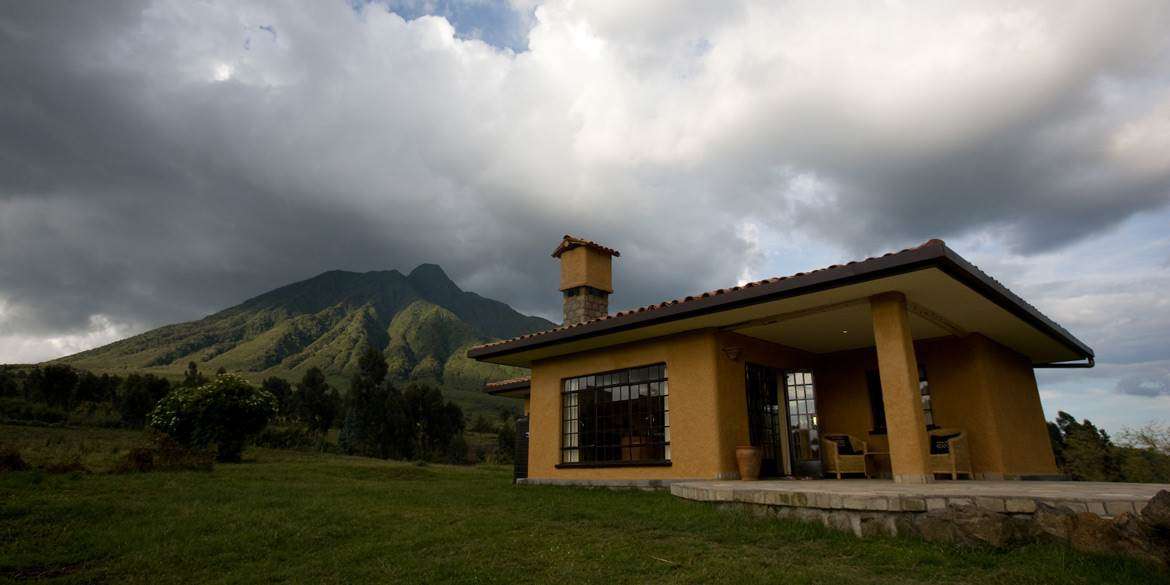
Luxury: Bisate Lodge (Wilderness), Singita Kwitonda, One&Only Gorilla’s Nest, Sabyinyo Silverback Lodge, Virunga Lodge – ultra-luxurious eco-lodges with volcano views and private butlers.
Midrange: Mountain Gorilla View Lodge, Five Volcanoes Boutique Hotel, Le Bambou Gorilla Lodge – comfortable, excellent service, great locations.
Budget: Kinigi Guesthouse, Muhabura Hotel (Musanze town), La Palme Hotel – clean, affordable options 15–30 minutes from park HQ.
Guidelines to Abide by When Visiting Volcanoes National Park
- Minimum age for gorilla trekking: 15 years.
- Keep a 7–10 m distance from gorillas at all times.
- No flash photography; wear face masks when near gorillas.
- Maximum 1 hour with gorillas, 8 visitors per group.
- Do not trek if you are sick (to protect gorillas from human diseases).
- Use walking sticks and porters (highly recommended).
- Stay on designated trails; no littering.
- No eating, drinking, or smoking near gorillas.
- Follow your guide’s instructions at all times.
Costs of Visiting Volcanoes National Park
- Gorilla Trekking Permit: $1,500 per person
- Golden Monkey Permit: $100
- Volcano Day Hikes (Bisoke, etc.): $75–100
- Karisimbi Two-Day Hike: ~$400
- Dian Fossey Tomb Hike: $75–100
- Cultural Village Visit: $30–50
- Porter Hire: $20–30 per day (strongly recommended)
How to Access Volcanoes National Park?
The park is easily reached by road from Kigali (2–2.5 hours on excellent tarmac). Private 4×4 transfers are the most common, though luxury lodges include transfers. Public buses and shared shuttles run from Kigali to Musanze town; from there, motorbike taxis or hotel transfers complete the journey to Kinigi headquarters.
Helicopter transfers arranged by Akagera Aviation are available for ultra-luxury travellers. No public transport enters the park itself – all activities start from Kinigi.
Best Time to Visit Volcanoes National Park
The dry seasons – June to mid-September and December to February – are ideal for trekking. Trails are less muddy, visibility is better, and rainfall is lower. Temperatures remain cool year-round.
The short rainy seasons (March–May, October–November) bring lush scenery, fewer crowds, and lower lodge rates, but expect wet trails and possible afternoon showers.
Gorilla trekking is possible year-round; many experienced travellers actually prefer the green season for photography and solitude.
Rwanda Safari Operators Offering Volcanoes National Park Tours
Reputable operators include
- Prime Safaris and Tours Ltd
- Wild Gorilla Safaris
- Gorilla Safari Rwanda
- Rwanda Gorilla Tracking Safaris
- Gorilla Tracking Rwanda
- Africa Safaris Tours
- Gorilla Safaris and Tours
Most offer tailored gorilla-focused itineraries with luxury or midrange accommodation, professional guides, and community experiences.
Popular Rwanda Safari Packages with Volcanoes National Park
- 3-Day Gorilla Trek (Kigali → Volcanoes → Kigali)
- 5-Day Double Gorilla Trek + Golden Monkeys
- 7-Day Gorillas & Nyungwe Chimps
- 9-Day Gorillas, Chimps & Akagera Big Game
- 12-Day Ultimate Rwanda (Volcanoes + Nyungwe + Akagera + Lake Kivu)
Packing List for Safaris in Rwanda’s Volcanoes National Park
- Waterproof hiking boots with good ankle support
- Gardening gloves (against stinging nettles)
- Long-sleeved shirts & trousers (neutral colours)
- Rain jacket/poncho
- Warm layers (fleece, hat, gloves – nights are cold)
- Daypack & waterproof cover
- Reusable water bottle & high-energy snacks
- Camera with extra batteries (no flash)
- Insect repellent & sunscreen
- Walking stick (can rent on site)
- Face masks (required near gorillas)
- Binoculars & field guide
Other Rwanda Safari Parks to Explore Alongside Volcanoes NP
One of Africa’s oldest rainforests, Nyungwe in southern Rwanda, is a primate paradise with 13 species, including chimpanzees, L’Hoest’s monkeys, and huge troops of colobus.
Highlights include the famous canopy walkway, waterfall trails, and over 300 bird species. Perfectly combines with Volcanoes National Park for the ultimate Rwanda primate safari adventure.
Rwanda’s only savannah destination, Akagera in the east, offers classic Big Five game viewing after successful reintroductions of lions (2015) and rhinos (2017).
Expect elephants, giraffes, hippos, and incredible birdlife along Lake Ihema. Boat safaris and night drives make it the ideal contrast to gorilla trekking on any complete Rwanda safari itinerary.
Rwanda’s newest national park in the west features rapidly regenerating montane forest, chimpanzees, golden monkeys, and black-and-white colobus. Surrounded by rolling tea plantations and community projects, it offers guided chimp tracking and forest hikes.
A peaceful, off-the-beaten-path addition for travellers seeking authentic, less crowded Rwanda safari experiences after Volcanoes National Park.
Commonly Asked Questions About the Geography of Volcanoes National Park
- Is It Safe to Visit Rwanda Now?
Yes, Rwanda is consistently ranked the safest country in East Africa. Strict security, community policing, and excellent tourism infrastructure make Volcanoes National Park extremely safe for visitors
- Is Gorilla Trekking Worth the Money?
Absolutely. Spending one hour with a mountain gorilla family in the wild is widely described as the most profound wildlife encounter on earth – life-changing for most visitors
- What Are the Prominent Geographical Features in Volcanoes National Park?
Five dramatic dormant volcanoes (Karisimbi, Bisoke, Sabyinyo, Gahinga, Muhabura), steep forested slopes, rich volcanic soils, bamboo zones, crater lakes, and diverse altitudinal ecosystems ranging from rainforest to Afro-alpine meadows are some of the most prominent geographical features in Volcanoes NP.
Conclusion
Volcanoes National Park is far more than a gorilla destination – it is a living testament to the raw power of geology and the triumph of conservation. Its towering volcanoes, mist-laden forests, and fragile web of life remind us why we must protect such places. A visit here is not just a safari; it’s a pilgrimage to one of Earth’s last wild wonders.
Call us now and let us plan your next safari to Rwanda’s Volcanoes National Park for you to create lasting memories!
Want to visit Volcanoes Park?
Want to visit Volcanoes National Park, Rwanda's only mountain gorilla trekking park?
