REASONS BEHIND RWANDA’S EXPENSIVE GORILLA TREKKING SAFARIS
Have you ever wondered about the reasons behind Rwanda’s expensive gorilla trekking safaris? If yes, then read through this article to get to know why the Rwanda gorilla tours are very costly!
Gorilla trekking in Rwanda’s Volcanoes National Park is a bucket-list adventure, offering an intimate encounter with critically endangered mountain gorillas in their natural habitat.
However, the experience comes with a steep price tag, driven primarily by the $1,500 gorilla permit per person, significantly higher than Uganda’s $800 or the Democratic Republic of Congo’s $400.
Since Rwanda doubled its permit price in 2017 from $750, the cost has sparked curiosity about what justifies this premium.
The high price is a deliberate strategy rooted in conservation, exclusivity, and Rwanda’s positioning as a luxury tourism destination among other reasons.
This article explores the multifaceted reasons behind the expense of Rwanda’s gorilla trekking safaris, drawing from conservation policies, tourism economics, and traveler experiences.
Below is a detailed breakdown of the major reasons for the expensive Rwanda gorilla trekking safaris!
-
High Costs of Mountain Gorilla Conservation
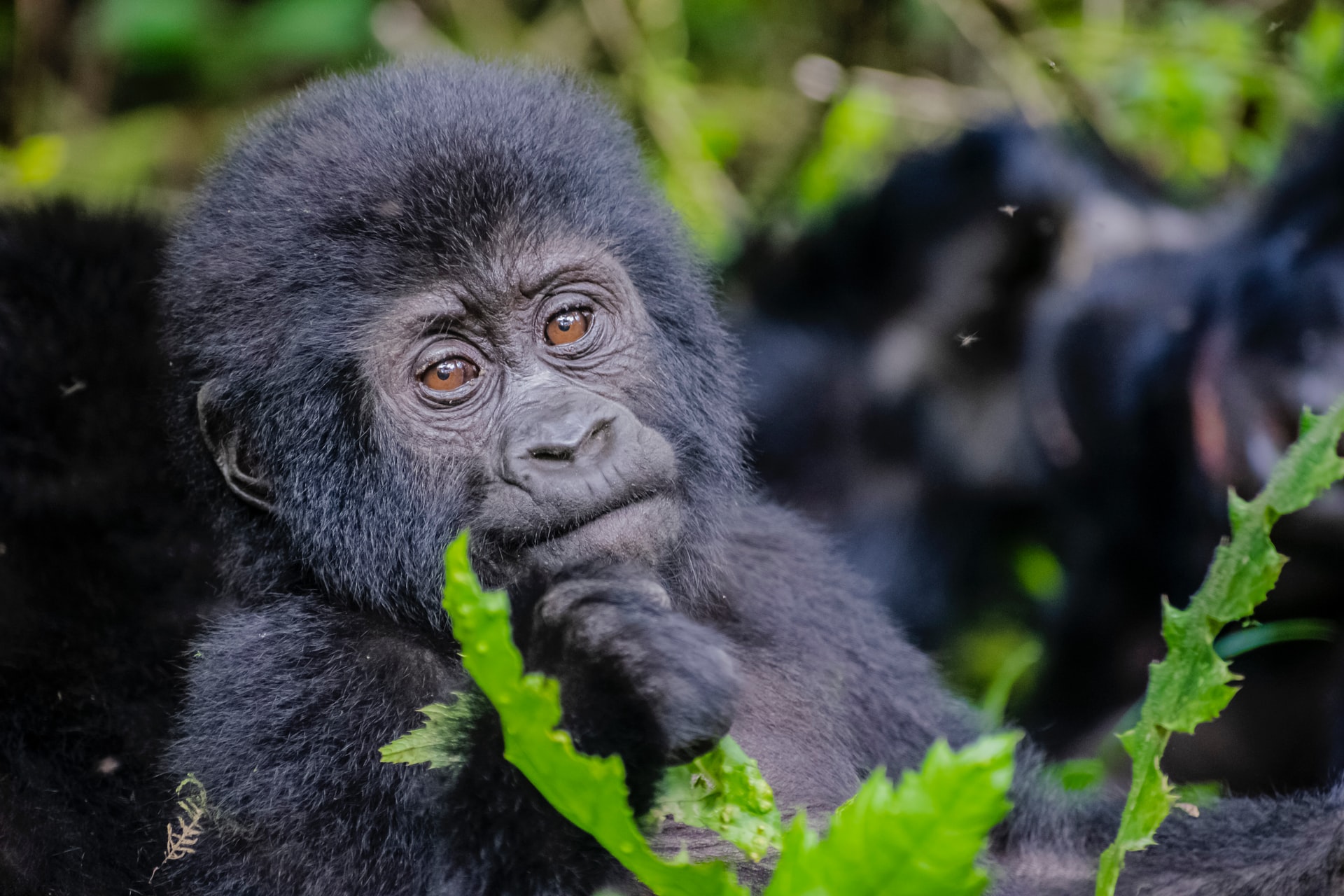
Mountain gorillas, with only about 1,063 individuals remaining globally per a 2019 census, are critically endangered and demand intensive protection efforts.
Rwanda’s government, through the Rwanda Development Board (RDB), channels a significant portion of permit fees—approximately 75%—into conservation programs. These funds support:
- Anti-Poaching Measures: Armed rangers, surveillance drones, and aerial patrols combat poaching, habitat destruction, and illegal activities. These operations are costly due to the rugged, remote terrain of Volcanoes National Park.
- Veterinary Care and Research: Organizations like Gorilla Doctors provide medical care, including treatments for injuries from snares or diseases, to which gorillas are susceptible due to their 98% DNA similarity to humans. Regular health monitoring and population censuses ensure their survival.
- Habitat Preservation: Maintaining trails, clearing invasive species, and restoring forests require ongoing investment to sustain the gorillas’ ecosystem.
Without these high fees, the financial backbone for protecting this endangered species would weaken, risking their extinction.
The cost reflects Rwanda’s commitment to ensuring mountain gorillas thrive for future generations.
-
Limited Permits to Minimize Human Impact
To safeguard gorilla health and behavior, Rwanda strictly limits daily trekking permits to eight visitors per habituated gorilla family, with only 12 families available in Volcanoes National Park, capping permits at approximately 96 per day. This restriction serves multiple purposes:
- Reducing Stress and Disease Risk: Gorillas are highly susceptible to human diseases like flu or respiratory infections, which can be devastating. Limiting visitors and enforcing protocols like mask-wearing during the one-hour gorilla interaction minimizes these risks.
- Preserving Natural Behavior: Small groups ensure gorillas remain undisturbed, maintaining their wild instincts and reducing habituation-related behavioral changes.
- Creating Exclusivity: The scarcity of permits increases demand, similar to limited-edition luxury goods, justifying the premium price akin to exclusive experiences like Kilimanjaro or Antarctic expeditions.
This controlled access ensures sustainable tourism but drives up costs due to high demand and low supply, making each trek a rare opportunity.
-
Premium Tourism Infrastructure and Experience
Rwanda has strategically positioned itself as a high-end tourism destination, targeting affluent travelers seeking a seamless and exclusive experience. The $1,500 permit fee subsidizes infrastructure and services that enhance the trekking experience, including:
- Well-Developed Park Facilities: Volcanoes National Park boasts well-maintained roads, modern visitor centers, and organized briefing areas, contrasting with the more rugged infrastructure in Uganda’s Bwindi Impenetrable National Park.
- Expert Guides and Trackers: Treks are led by highly trained rangers and trackers who navigate dense forests, read gorilla signs, and ensure safety. These professionals undergo extensive training, and their expertise is reflected in the cost.
- Proximity And Accessibility: The park is just a 2-3 hour drive from Kigali International Airport, with smooth, tarmacked roads, compared to Uganda’s 8-10 hour bumpy drive from Entebbe. This convenience adds to the premium.
Rwanda also offers unique high-end options, such as private gorilla family treks for $15,000, complete with personalized guiding and helicopter transfers, catering to ultra-luxury travelers.
These factors elevate the overall cost but deliver a polished, exclusive adventure.
-
Economic Contributions to Local Communities
A portion of permit revenue—about 10% in Rwanda—directly supports communities living near Volcanoes National Park. This investment fosters local goodwill and reduces threats to gorillas, such as poaching or habitat encroachment. Key initiatives include:
- Community Development Projects: Funds support schools, clinics, clean water systems, and income-generating activities like beekeeping or cultural tourism, improving livelihoods.
- Compensation For Gorilla-Related Damages: When gorillas raid crops, communities receive compensation, reducing human-wildlife conflict.
- Job Creation: Locals are employed as guides, porters, lodge staff, or cultural performers, boosting the economy and encouraging conservation advocacy.
This revenue-sharing model contrasts with Uganda’s 20% community allocation but aligns with Rwanda’s focus on sustainable development.
By investing in locals, Rwanda ensures communities value gorilla conservation, justifying the higher permit cost as a dual-purpose adventure and social impact investment.
-
Luxury Branding and High-End Accommodations
Rwanda’s “high-price, low-density” tourism model emphasizes exclusivity and luxury, setting it apart from Uganda’s more budget-friendly approach. This branding influences costs in several ways:
- Premium Lodges: Accommodations near Volcanoes National Park, such as One & Only Gorilla’s Nest, Singita Kwitonda Lodge, and Wilderness Bisate Lodge, offer opulent amenities like private butlers, gourmet dining, and eco-friendly designs. Prices range from $300 to over $1,500 per night, far exceeding Uganda’s budget and mid-range options ($50-$350).
- Marketing As a Luxury Destination: Rwanda’s global campaigns, such as “Visit Rwanda” on Arsenal football jerseys, attract high-spending tourists willing to pay for exclusivity. This contrasts with Uganda’s focus on affordability to draw larger crowds.
- Enhanced Services: High staff-to-guest ratios, eco-conscious designs, and optional helicopter transfers cater to discerning travelers, inflating costs.
This luxury focus ensures a world-class experience but makes Rwanda’s safaris pricier than Uganda’s, where competition among tour operators and more gorilla families (25 vs. Rwanda’s 12) keeps prices lower.
-
Global Rarity and Demand for a Unique Experience
Gorilla trekking is a rare opportunity, available only in Rwanda, Uganda, and the DRC, with Rwanda and Uganda being the safest options due to the DRC’s ongoing conflicts.
The global scarcity of mountain gorillas—coupled with their human-like behaviors, led by dominant silverbacks—creates immense demand among wildlife enthusiasts. Rwanda capitalizes on this by:
- Offering A Transformative Experience: Travelers describe the one-hour gorilla encounter as life-changing, justifying the cost as both an adventure and a contribution to conservation.
- Leveraging Exclusivity: With fewer permits than Uganda, Rwanda’s treks feel more intimate, often with fewer than eight visitors per group, enhancing the sense of privilege.
- High Demand, Limited Supply: The principle of supply and demand drives permit prices, as tourists worldwide compete for limited spots, especially during peak seasons (June-September, December-February).
This rarity elevates Rwanda’s appeal as a once-in-a-lifetime adventure, comparable to climbing Mount Everest or diving with great white sharks.
-
Logistical Challenges in Remote Locations
Volcanoes National Park’s mountainous terrain poses logistical challenges that increase costs:
- Transportation Expenses: While closer to Kigali than Uganda’s gorilla parks, the need for 4×4 vehicles, fuel, and driver-guides adds $100-$300 per day to Rwanda safari
- Infrastructure Development: Building and maintaining roads, utilities, and facilities in hilly areas requires advanced technology and significant investment.
- Trekking Demands: The strenuous 2-6 hour treks through steep, muddy forests necessitate skilled trackers and porters (costing $15-$20 each), plus sedan chairs for elderly travelers ($400).
These logistical hurdles, while less severe than in Uganda’s Bwindi, contribute to the overall expense of delivering a safe, accessible trek.
-
Safety and Political Stability
Rwanda’s reputation as one of Africa’s safest and most stable destinations adds value to its gorilla trekking experience. Unlike the DRC, where conflict in Kivu Province deters tourists, or Uganda, which has stabilized but lacks Rwanda’s pristine safety record, Rwanda offers:
- Robust Security: Armed escorts and tourism police protect trekkers and gorillas from external threats like poachers or rebels, who historically used gorilla habitats as hideouts.
- Stable Governance: Rwanda’s low corruption and efficient systems ensure a seamless experience, from permit booking to park access, justifying higher costs for peace of mind.
This safety premium attracts risk-averse travelers, particularly high-end clients, willing to pay more for reliability.
Additional Information About Rwanda Gorilla Trekking Safaris
About Volcanoes National Park in Rwanda
Volcanoes National Park, located in northwestern Rwanda, is a biodiversity hotspot and the centerpiece of the country’s gorilla trekking tourism.
Spanning 160 square kilometers, the park encompasses five of the eight Virunga volcanoes—Karisimbi, Bisoke, Muhabura, Gahinga, and Sabyinyo—forming a dramatic backdrop of lush, mist-covered forests.
Established in 1925, it is one of Africa’s oldest national parks and home to approximately one-third of the world’s mountain gorilla population, with 12 habituated gorilla families available for trekking.
The park’s altitude, ranging from 2,400 to 4,507 meters, supports diverse ecosystems, hosting over 200 bird species, golden monkeys, and other wildlife.
Its proximity to Kigali (2-3 hours by road) and well-maintained infrastructure make it a premier destination for eco-conscious travelers seeking an intimate wildlife experience in the Land of a Thousand Hills.
The Rwanda Gorilla Trekking Experience

Gorilla trekking in Rwanda begins with an early morning briefing at Volcanoes National Park, where visitors are assigned to one of 12 habituated gorilla families.
Accompanied by expert guides, trackers, and armed rangers, groups of up to eight trekkers venture into the misty, bamboo-covered forests.
The trek, lasting 2-6 hours depending on the gorillas’ location, involves navigating steep, muddy trails through dense vegetation at altitudes of 2,400–4,507 meters.
Upon finding the mountain gorillas, visitors spend a magical one-hour observing these gentle giants—watching silverbacks lead their families, juveniles play, and mothers nurture their young.
Strict gorilla trekking rules, like maintaining an 8-meter distance and wearing masks, ensure minimal disturbance.
The experience is physically demanding yet profoundly rewarding, offering an emotional connection with these human-like primates in their natural home.
Mountain Gorillas in Rwanda – The Star Attraction
Mountain gorillas, the star attraction of Rwanda’s tourism, are critically endangered primates, with approximately 1,063 remaining worldwide per a 2019 census.
In Rwanda, Volcanoes National Park hosts about one-third of this population, with 12 habituated families available for trekking.
These majestic creatures, sharing 98% of human DNA, live in close-knit family groups led by a dominant silverback.
Their human-like behaviors—such as grooming, playing, and nurturing—captivate visitors, making encounters deeply moving. Rwanda’s gorillas, once on the brink of extinction due to poaching and habitat loss, have seen population growth thanks to robust conservation efforts funded by permit fees.
It is worth noting that in Africa, these are only found in three countries in four gorilla parks: Bwindi Impenetrable National Park and Mgahinga National Park of Uganda, Virunga National Park of DR Congo, and Volcanoes National Park of Rwanda.
Their rarity, coupled with the intimate, ethical viewing experience, makes them a global draw, cementing Rwanda’s status as a premier wildlife destination.
Other Activities to Combine with Rwanda Gorilla Trekking Tours
Rwanda’s gorilla trekking can be enriched by combining it with other activities in or near Volcanoes National Park, enhancing the safari experience:
- Golden Monkey Tracking: Track endangered golden monkeys, known for their vibrant fur and playful behavior, in the park’s bamboo forests. Permits cost $100, and treks last 2-4 hours.
- Volcano Hikes: Climb Mount Bisoke for stunning crater lake views (6-7 hours, $75 permit) or Mount Karisimbi, a two-day trek to Rwanda’s highest peak.
- Dian Fossey Tomb Hike: Visit the Karisoke research camp and grave of the renowned primatologist, offering insights into gorilla conservation history (3-4 hours, $75).
- Cultural Tours: Engage with local communities through visits to Iby’Iwacu Cultural Village, where you can experience traditional dances, crafts, and beekeeping projects.
- Cave Exploration: Explore the Musanze Caves, formed by ancient lava flows, for a geological adventure (1-2 hours).
These activities, often costing $50-$100, complement gorilla trekking and distribute safari expenses across a richer itinerary.
Best Time for Gorilla Trekking in Rwanda
It is worth noting that timing affects the trekking experience and, indirectly, costs due to seasonal demand:
- Dry season (June-September, December-February): Drier trails make trekking easier, with clearer gorilla views due to less dense vegetation. However, peak demand increases permit competition and lodge prices.
- Wet season (March-May, October-November): Abundant food keeps gorillas closer to forest edges, potentially shortening treks. Lower demand may offer lodge discounts, though rain can make trails challenging.
Booking 6-12 months in advance, especially for peak seasons, is crucial, as permits sell out quickly.
Other Cost Breakdowns and Budgeting Tips
A typical 3-day gorilla trek in Rwanda costs $3,000-$5,000 per person, including:
- Permit: $1,500
- Accommodation: $300-$1,500/night (mid-range to luxury)
- Transport: $100-$300/day for 4×4 hire, fuel, and driver
- Additional costs: Park fees ($50-$100), porters ($15-$20), guides ($20-$50), meals ($30-$60/day), visas ($30-$50), and tips ($20-$50/day).
TO SAVE COSTS:
- Travel In the Wet Season: Lower lodge rates and less permit competition.
- Share Transport: Group travel reduces vehicle and fuel costs.
- Book Through Local Operators: Firms like Prime Safaris And Tours Ltd or Wild Gorilla Safaris may offer competitive rates.
- Combine Activities: Pair gorilla trekking with golden monkey tracking or cultural tours to distribute costs.
Rwanda vs. Uganda: A Cost Comparison
Uganda offers a more affordable alternative, with permits at $800 and a wider range of budget lodges ($50-$350/night). Its 25 habituated gorilla families allow more permits daily, increasing availability and reducing urgency.
However, Uganda’s treks are often longer (5-6 hours vs. Rwanda’s 2-6 hours), and the 8-10 hour drive from Entebbe contrasts with Rwanda’s 2-3 hour drive from Kigali.
Uganda’s rougher roads and simpler infrastructure appeal to budget-conscious adventurers, while Rwanda’s polished experience suits luxury seekers.
Is Rwanda Gorilla Trekking Worth the Cost?
Despite the expense, Rwanda’s gorilla trekking delivers unmatched value. The intimate, ethical encounter with mountain gorillas—combined with contributions to conservation, community development, and a premium experience—makes it a worthwhile investment.
Travelers often describe the hour spent with gorillas as transformative, blending awe, adventure, and purpose.
For budget travelers, Uganda offers a compelling alternative, but Rwanda’s exclusivity, safety, and luxury justify the premium for those who can afford it.
Planning Your Rwanda Gorilla Trek
To embark on this adventure:
- Book Early: Secure permits through RDB-approved operators like Prime Safaris And Tours Ltd, Wild Gorilla Safaris, Gorilla Safari Rwanda, Rwanda Gorilla Tracking Safaris, Gorilla Tracking Rwanda, Africa Safaris Tours, or Gorilla Safaris And Tours 6-12 months in advance.
- Prepare Gear: Bring hiking boots, rain jackets, insect repellent, and a good camera. Yellow fever vaccination is mandatory.
- Follow Rules: Wear masks, maintain an 8-meter distance from gorillas, and avoid flash photography to protect their health.
Other Rwanda Safari Parks to Visit Besides Volcanoes National Park
Rwanda offers diverse safari destinations beyond Volcanoes National Park, each with unique attractions:
- Akagera National Park: Located in eastern Rwanda, this 1,122-square-kilometer park is a Big Five destination, home to lions, elephants, rhinos, leopards, and buffalo. Activities include game drives, boat safaris on Lake Ihema, and birdwatching (over 500 species). It’s a 2.5-hour drive from Kigali, with entry fees around $50.
- Nyungwe Forest National Park: A pristine rainforest in southern Rwanda, Nyungwe is renowned for chimpanzee trekking ($90 permit), canopy walks ($60), and birdwatching (over 300 species). It’s a 4-5 hour drive from Kigali and ideal for primate and nature enthusiasts.
- Gishwati-Mukura National Park: A smaller, emerging park in western Rwanda, it offers chimpanzee and monkey trekking, forest hikes, and community-based tourism. Less crowded and about 3 hours from Kigali, it’s a budget-friendly option with entry fees around $40.
These parks allow travelers to combine gorilla trekking with broader wildlife and cultural experiences, creating a comprehensive Rwandan safari.
In conclusion, Rwanda’s gorilla trekking is a testament to sustainable tourism, balancing conservation, community benefits, and an unforgettable adventure.
Whether you choose Rwanda’s luxury or Uganda’s affordability, the experience of meeting these gentle giants in their misty forest home is priceless.
Reach out to us now and let us plan the best Rwanda gorilla trekking safaris for you to create lasting memories!
What you may like
-
Famous Russian Tennis Player Maria Sharapova Treks Gorillas in Rwanda
Read more -
INEMA ART CENTER | INEMA ART GALLERY – KIGALI’S CREATIVE HUB IN RWANDA
Read more -
A RWANDA GORILLA EXPERIENCE WITH THE SABINYO GORILLA GROUP
Read more -
BUHANGA ECO PARK: A SACRED RWANDA SAFARI GEM
Read more -
Gorilla Trekking (Gorilla Watching) What is Gorilla Trekking?
Read more -
CAN A PHYSICALLY UNFIT PERSON TREK GORILLAS IN RWANDA
Read more
Want to visit Volcanoes Park?
Want to visit Volcanoes National Park, Rwanda's only mountain gorilla trekking park?
